


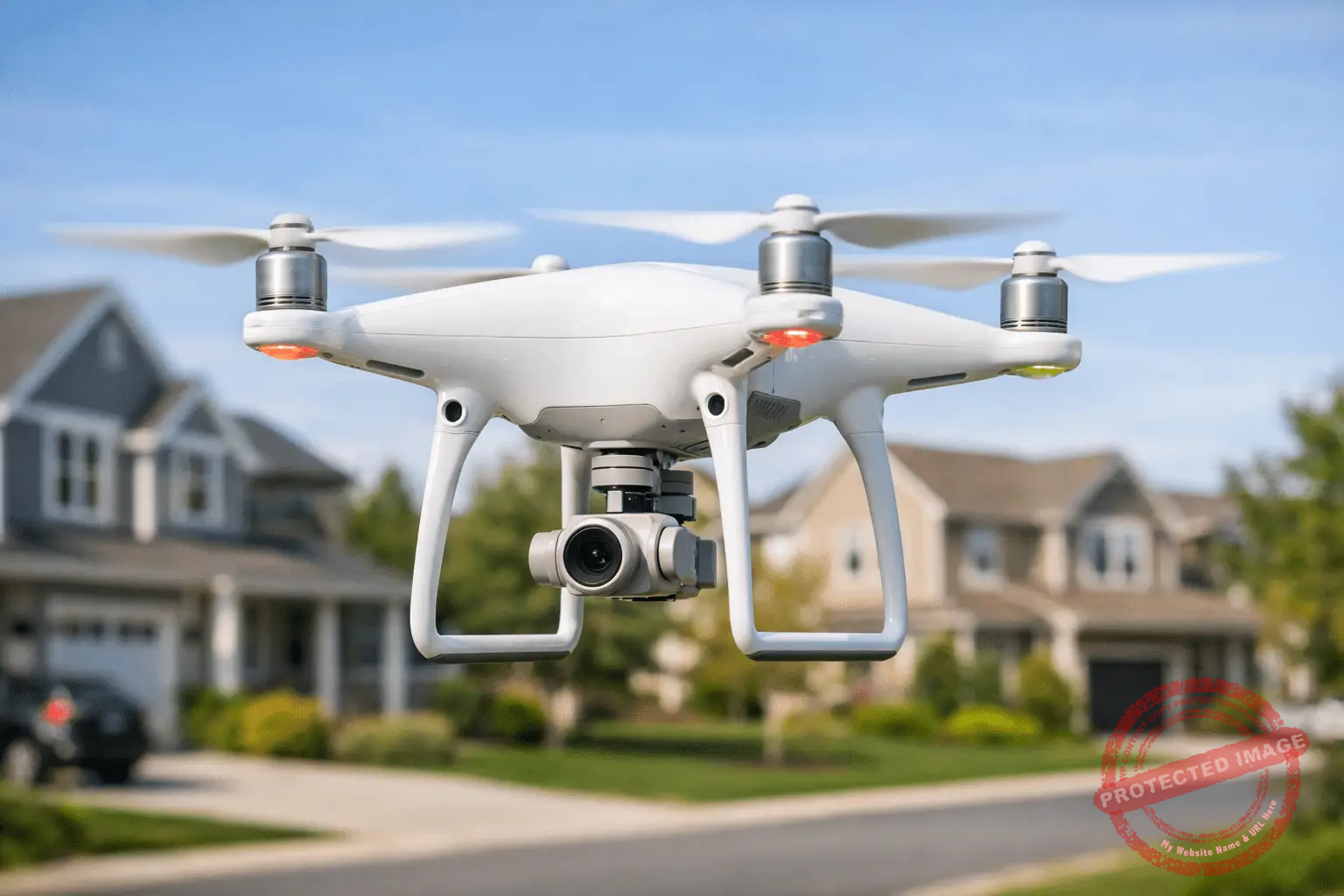
Recent advances in battery technology have significantly transformed the landscape of drone endurance. Lithium-polymer batteries and the newer high-density lithium-sulfur cells have been at the forefront of this evolution, offering greater energy storage capacity and longer flight times. By increasing the energy density of these batteries, drones can now achieve extended durations of operation without the need for frequent recharging. Additionally, solid-state batteries, which promise even higher energy density and enhanced safety features, are being actively researched and developed, presenting the potential to further revolutionize the endurance of drone technology. These battery innovations not only contribute to longer mission durations but also improve the overall efficiency and reliability of drones, thereby widening their practical applications across various industries.
Lightweight materials and design
In the quest to bolster drone endurance, lightweight materials and innovative design strategies play a crucial role. The integration of advanced composites and alloys has led to the development of airframes that are not only lighter but also stronger and more resilient. Carbon fiber, for instance, has become a popular choice due to its high strength-to-weight ratio, allowing drones to achieve greater lift with less energy expenditure. Similarly, the use of 3D printing technology has opened new possibilities in creating complex, optimized geometries that reduce weight without compromising structural integrity.
Innovative aerodynamic designs further contribute to the endurance of drones. By minimizing drag and enhancing lift efficiency, drones can stay aloft for longer periods with the same amount of energy. Some cutting-edge designs focus on reducing form drag through streamlined shapes, while others emphasize lift-to-drag ratio optimizations to maximize flight duration. These advancements in materials and design are pivotal in pushing the boundaries of what drones can achieve, allowing them to operate over longer distances and durations, thereby expanding their scope of applications in both commercial and strategic contexts.
Enhanced flight capabilities
The latest enhancements in flight capabilities have made significant strides in advancing drone endurance. Innovations in propulsion systems are central to these developments. Electric motors have become more efficient and powerful, allowing drones to sustain longer flights without compromising speed or maneuverability. The refinement of brushless motors, coupled with precise electronic speed controllers, ensures optimal performance by balancing power output with energy consumption, ultimately extending flight time.
Furthermore, advanced software algorithms play a pivotal role in optimizing flight performance. Autopilot systems have evolved to incorporate sophisticated path-planning and navigation technologies. These systems use real-time data to respond dynamically to environmental conditions such as wind, temperature, and air density, thereby maximizing efficiency. By calculating the most energy-efficient routes and adjusting flight parameters on-the-fly, modern drones demonstrate remarkable agility and adaptability, key factors in enhancing endurance.
Multi-rotor configurations and innovative wing designs also contribute significantly to expanding capabilities. Hybrid drones, which seamlessly transition between rotor-driven vertical flight and fixed-wing gliding, combine the best aspects of both formats, thus optimizing energy use. This versatility not only extends operational range but also improves resilience against challenging terrains and conditions.
Together, these advancements in flight capabilities not only enhance the performance of drone technology but also redefine what is achievable in terms of endurance. Through finely tuned integration of mechanics, electronics, and intelligence, drones are poised to undertake longer, more challenging missions across a diverse array of applications.
Extended mission durations
As advancements in technology continue to push the boundaries of drone capabilities, extended mission durations have become increasingly viable. The integration of improved battery technologies and lightweight materials fundamentally enhances the ability of drones to operate over longer periods without the interruption of frequent recharges or maintenance. High-capacity batteries facilitate energy storage that outstrips previous limitations, allowing drones to be airborne for extended hours, which is crucial for applications such as surveillance, environmental monitoring, and long-haul delivery services.
Moreover, energy-efficient route optimization and path-planning technology dynamically adapt to operational conditions, ensuring that drones not only conserve power but also make the most out of every flight. These intelligent systems consider factors such as wind speed, route topography, and potential obstacles, recalibrating flight paths to reduce energy consumption and maximize mission time.
In conjunction with advances in endurance, drones are now capable of undertaking prolonged and complex missions that once required multiple vehicles or manned aircraft. In agriculture, for instance, drones can cover extensive areas for crop monitoring and disease detection, delivering precise data over multi-day operations. In emergency response scenarios, extended flight times ensure that rescue teams can deploy drones continuous operation, providing real-time updates and assessments that are critical during disasters.
Additionally, the ability of drones to sustain longer missions opens the door to innovative commercial opportunities, such as persistent environmental data collection and continuous infrastructure surveillance. These applications benefit from drones’ capacity to remain airborne for durations that were previously unimaginable in the field of unmanned aerial technology. As these endurance capabilities continue to evolve, we can expect drones to play increasingly central roles in addressing complex global challenges with greater efficacy and reliability.
Future innovations in endurance
Emerging technologies are set to drive future advancements in drone endurance, transforming both the scope and scale of their applications. One promising development is the integration of hybrid energy systems that combine battery power with alternative energy sources such as solar cells and fuel cells. These hybrid systems are particularly advantageous as they harness renewable energy, thus allowing drones to perform extended missions in remote or off-grid locations. By enhancing energy efficiency and autonomy, these systems hold the potential to considerably increase the operational lifespan of drones without the need for frequent interventions.
Innovative power management technologies are also crucial in the enhancement of endurance. Smart power control units are being designed to optimize energy allocation across various drone systems, ensuring that power consumption remains within the most efficient thresholds. These technologies not only prolong battery life but also guarantee that drones remain operational under varied flight conditions and mission requirements.
Another area of focus is the advancement of drone software and artificial intelligence. AI-driven algorithms are increasingly crucial in predicting and adapting to real-time environmental factors to optimize flight paths and energy use. Machine learning techniques enable drones to learn from past missions, thereby improving their future performance and energy management. This adaptive learning capability significantly augments their ability to undertake longer and more complex missions.
Moreover, swarming technology offers a glimpse into the future where multiple drones operate collaboratively, distributing energy-intensive tasks across the swarm to conserve overall resources. Such collective drone operations can enhance endurance by effectively managing energy distribution, load balancing, and task allocation. This cooperative approach maximizes operational efficacy and mission duration by leveraging the cumulative capabilities of multiple drones.
As drone technology continues to evolve, the next frontier in endurance will likely involve further integration of cutting-edge materials, intelligent systems, and sustainable energy solutions. These innovations are expected to redefine the boundaries of aerial endurance, offering new possibilities for both traditional roles and emerging use cases of drone technology.
Post Disclaimer
The information provided in our posts or blogs are for educational and informative purposes only. We do not guarantee the accuracy, completeness or suitability of the information. We do not provide financial or investment advice. Readers should always seek professional advice before making any financial or investment decisions based on the information provided in our content. We will not be held responsible for any losses, damages or consequences that may arise from relying on the information provided in our content.

 AAPL
AAPL MSFT
MSFT GOOG
GOOG TSLA
TSLA AMD
AMD IBM
IBM TMC
TMC IE
IE INTC
INTC MSI
MSI NOK
NOK DELL
DELL ECDH26.CME