

Technological advancements in solar cell efficiency
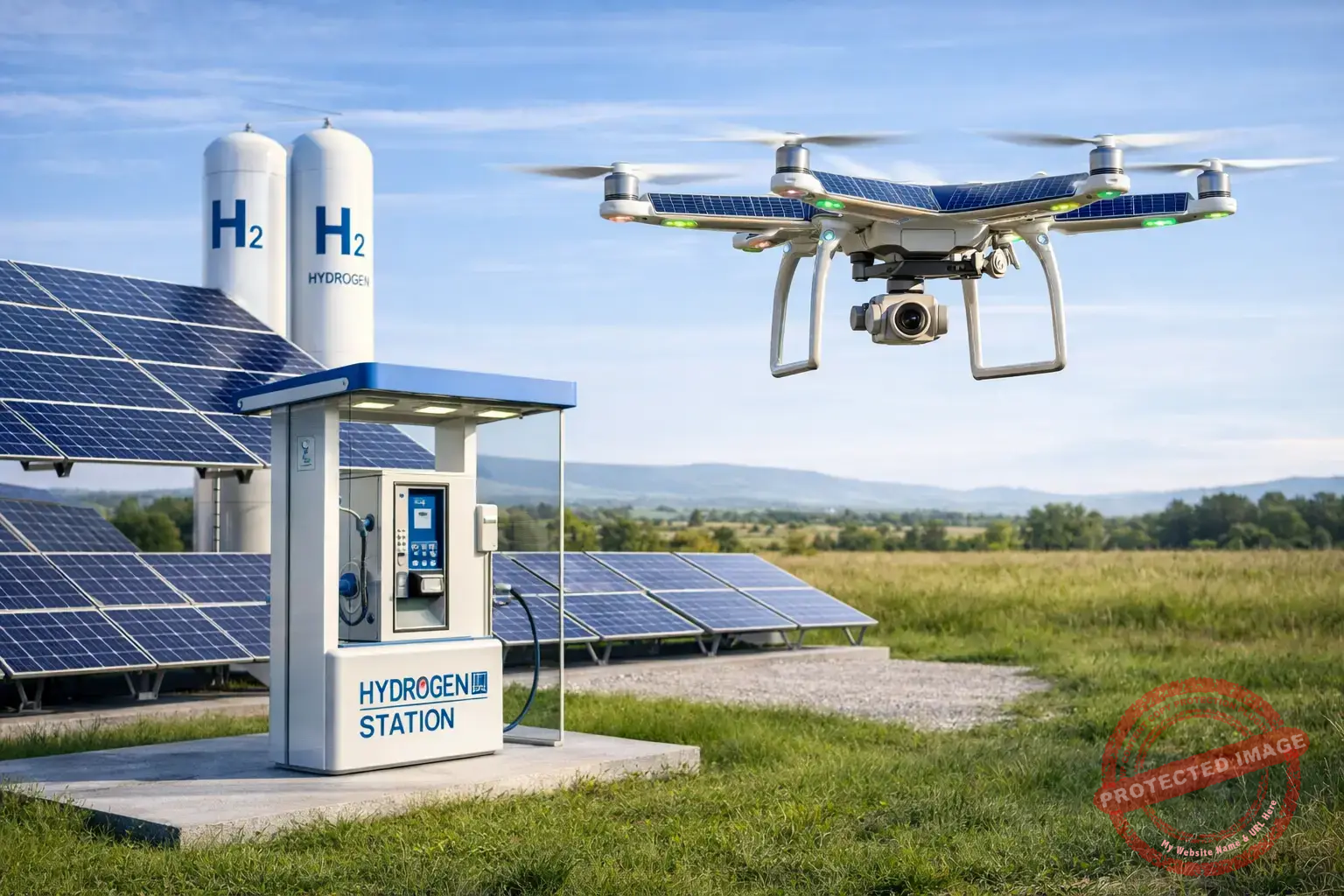
In recent years, significant technological advancements in solar cell efficiency have played a crucial role in enhancing the endurance capabilities of drones. These advancements not only aim to increase the conversion efficiency but also to adapt the solar cells to the unique operational characteristics of UAVs. One prominent example is the development of thin-film solar cells, which offer a lightweight and flexible solution perfect for the curved surfaces of drones. These solar cells are crafted using materials like amorphous silicon, cadmium telluride, or copper indium gallium selenide (CIGS), which provide considerable potential for high energy conversion rates while maintaining a minimal weight footprint.
Furthermore, researchers are exploring multi-junction solar cells, which combine different semiconductor materials to capture a broader range of the solar spectrum. This technology has pushed the boundaries of efficiency, achieving over 40% efficiency under concentrated sunlight. These types of cells are particularly advantageous for drones operating at high altitudes, where sunlight is more direct and less obstructed by atmospheric conditions.
Another promising innovation is the perovskite solar cells, known for their relatively simple manufacturing processes and potential for high efficiency at low production costs. Recent studies have demonstrated efficiencies exceeding 25%, and ongoing research seeks to enhance their stability and durability for practical deployment on UAV platforms.
Additionally, integrating solar power management systems with advanced Maximum Power Point Tracking (MPPT) technology optimizes the energy harvested from sunlight. These systems continuously adjust the operating point of the solar array to maximize energy collection, even under varying flight conditions and solar angles.
Collectively, these technological strides in solar cell efficiency underscore a compelling synergy with drone technology, progressively extending their operational capabilities and redefining the limits of drone endurance. Researchers and manufacturers continue to collaborate extensively to refine these technologies, with ongoing work focusing on materials science, electronics integration, and real-world testing to bolster the efficiency and practicality of solar-powered drones for diverse applications.
Impact on drone flight time and range
Solar power is revolutionizing drone endurance by significantly extending flight times and expanding operational ranges. The integration of high-efficiency solar cells on drone surfaces enables continuous energy harvesting during flight, reducing reliance on conventional batteries and diminishing the need for frequent landings to recharge. This results in a marked increase in the potential duration of missions, particularly in remote or difficult-to-access areas where battery swap logistics can be challenging.
Drones equipped with solar technology can benefit from longer exposure to sunlight, particularly those operating at high altitudes or in sunny climates. This extended flight capability opens new possibilities for industries such as agriculture, environmental monitoring, and disaster management, where prolonged aerial presence can be critical for data gathering and surveillance tasks.
The range of drones has also improved, as solar power provides a supplementary energy source that enables drones to cover greater distances without compromising their power reserves. This capability not only extends the geographical reach but also enhances the versatility and utility of drones across various sectors. For example, logistics and delivery services can expand their operational scope to rural or hard-to-reach areas with minimal infrastructure investment.
As these solar-powered drone systems evolve, their potential economic impact becomes increasingly significant. By 2026, projections indicate widespread market adoption, driven by cost reductions in solar technologies, advances in efficiency, and growing demand for sustainable solutions. Regulatory environments are expected to become more favorable as well, with governments recognizing the environmental benefits of solar-powered drones and potentially offering incentives or streamlined pathways for their integration into commercial and governmental operations.
Furthermore, the confluence of solar technology with AI and automation is set to enhance data processing and operational efficiency. Drones that harness solar energy can spend more time in the air, collecting vast amounts of data that real-time AI analytics can process, resulting in quicker and more informed decision-making processes. The drive for sustainability further underscores this trend; as regulatory pressures and consumer expectations steer industries towards greener practices, solar-powered drones offer a compelling solution through their low carbon footprint and energy independence.
Overall, the impact of solar power on drone endurance is multifaceted, offering substantial benefits in flight duration, operational range, and market adaptability. As technologies continue to advance, the future of solar-powered drones appears poised to redefine the possibilities for unmanned aerial operations across a spectrum of industries.
Challenges in integrating solar technology
Integrating solar technology into drones presents several challenges that must be addressed to optimize their use and maximize their potential benefits. One primary challenge is the complex engineering required to seamlessly integrate solar cells onto the drone’s surface without compromising its aerodynamic performance or structural integrity. Drones often have limited surface areas available for solar cell placement, requiring innovative design solutions that balance energy efficiency with flight capabilities.
There is also the technical challenge of choosing the right type of solar cells for different drone applications. Different solar technologies offer varying efficiency levels, weight considerations, and costs. Ensuring these technologies can withstand the demanding environmental conditions drones encounter—such as high altitudes, variations in temperature, and potential impacts or vibrations—requires robust research and testing.
From a human factors perspective, the integration of solar power into drones necessitates comprehensive training for operators to manage flight systems equipped with solar technology effectively. New operational protocols must be established to address how solar power influences flight planning, energy management, and reactive measures in response to changing environmental conditions. This includes understanding how to utilize solar power efficiently during varied weather conditions and how to adjust flight paths and timing to maximize energy capture.
Operationally, the integration of solar technology into traditional drone workflows can disrupt existing processes. Companies and organizations must adapt to the new capabilities and limitations that these technologies introduce, such as increased pre-flight preparation time for optimal deployment and energy harvesting strategies. The reliance on solar energy also brings about logistical considerations on when and where drones can be most effectively deployed, impacting mission scheduling and resource allocation.
Societal and ethical implications arise as the role of solar-powered drones becomes more pronounced. The increased endurance and range of these drones could lead to heightened privacy concerns and the potential for increased surveillance capabilities. This raises ethical questions regarding data collection, user consent, and regulatory compliance. Balancing technological innovation with privacy rights and ethical standards will be crucial as usage expands.
Moreover, the evolving role of businesses and consumers is marked by a shift towards integrating more sustainable practices. Solar-powered drones facilitate environmentally conscious operations, appealing to businesses looking to reduce their carbon footprint while enhancing operational efficiency. Consumers may start to perceive drones not merely as tools for specific tasks but as part of broader sustainable solutions, embracing their adoption across a variety of sectors from logistics to agriculture.
Ultimately, overcoming these integration challenges requires continuous collaboration among engineers, industry stakeholders, regulatory bodies, and the broader community. Addressing these issues is vital to unlocking the full potential of solar-powered drone technology and realizing its revolutionary impact on drone endurance and the industries that rely on them.
Up coming prospects of solar-powered drones
As the adoption of solar-powered drones grows, several misconceptions and mistakes can hinder progress. One common misconception is the belief that solar power can completely replace batteries in drones. While solar technology significantly extends flight times by supplementing battery power, it cannot yet fully replace traditional power sources due to the variability of sunlight availability and the limitations of current solar cell efficiency.
Another mistake is underestimating the impact of drone design on solar power integration. Some assume that simply attaching solar panels to any drone will enhance its endurance. However, optimal integration requires precise engineering to ensure that solar cells align with the drone’s aerodynamics and structural design. Failure to do so can lead to decreased flight performance and efficiency, compromising the potential benefits of solar technology.
Misunderstandings about cost can also slow adoption. Many believe that solar-powered drones are prohibitively expensive due to the cost of high-efficiency solar cells. However, advancements in production techniques and materials have steadily reduced costs. Industry leaders are addressing this by investing in research to develop affordable solar solutions and collaborating with manufacturers to produce cost-effective solar drones at scale.
There is also a hesitation rooted in the complexity of solar power management. Some operators fear that integrating solar technology requires sophisticated systems and additional training, which can be overwhelming. To mitigate this, industry leaders are developing intuitive software and training programs that simplify energy management and optimize solar energy harvesting, making the technology accessible even to operators with minimal experience.
Lastly, misconceptions about regulatory challenges can deter interest. Some believe that the deployment of solar-powered drones faces significant regulatory barriers. While regulatory frameworks can be complex, there is a growing trend towards facilitative policies as governments recognize the environmental benefits and operational efficiencies of solar-powered drones.
Industry leaders are actively engaging with policymakers to streamline regulations and provide clarity on compliance requirements, fostering an environment conducive to innovation. By addressing these misconceptions and mistakes through education, continued technological advancements, and strategic collaboration, the revolution in drone endurance powered by solar technology can reach its full potential, paving the way for widespread adoption and transformative impact across various sectors.
Contributing Editors:
Benoit Leduc, Co-Editor, Montreal, Quebec.
Peter Jonathan Wilcheck, Co-Editor, Miami, Florida.
#4KDroneCamera, #AIBatteryManagement, #BestDrones #DJIDrones,#DroneEndurance,#DroneFlightTime,#DronePhotography,#DroneRegulations,#DroneVideography,#DroneWithCamera,#FPVDrones,#HybridDrones,#HydrogenDrones,
#DroneRevolution,#SolarDrones,#SolarPower,
References:
Solar-Powered Drones — How Solar UAVs Extend Flight Time and Enable New Applications — overview of how solar power extends endurance and transforms surveying, delivery, and sustainability in drone usage. 8MSolar
Post Disclaimer
The information provided in our posts or blogs are for educational and informative purposes only. We do not guarantee the accuracy, completeness or suitability of the information. We do not provide financial or investment advice. Readers should always seek professional advice before making any financial or investment decisions based on the information provided in our content. We will not be held responsible for any losses, damages or consequences that may arise from relying on the information provided in our content.
 AAPL
AAPL AMD
AMD CIS.HA
 DELL
DELL IBM
IBM INTC
INTC MSFT
MSFT GOOG
GOOG HPE
HPE NVDA
NVDA TSLA
TSLA TMC
TMC MSI
MSI NOK
NOK OPEAZZX