


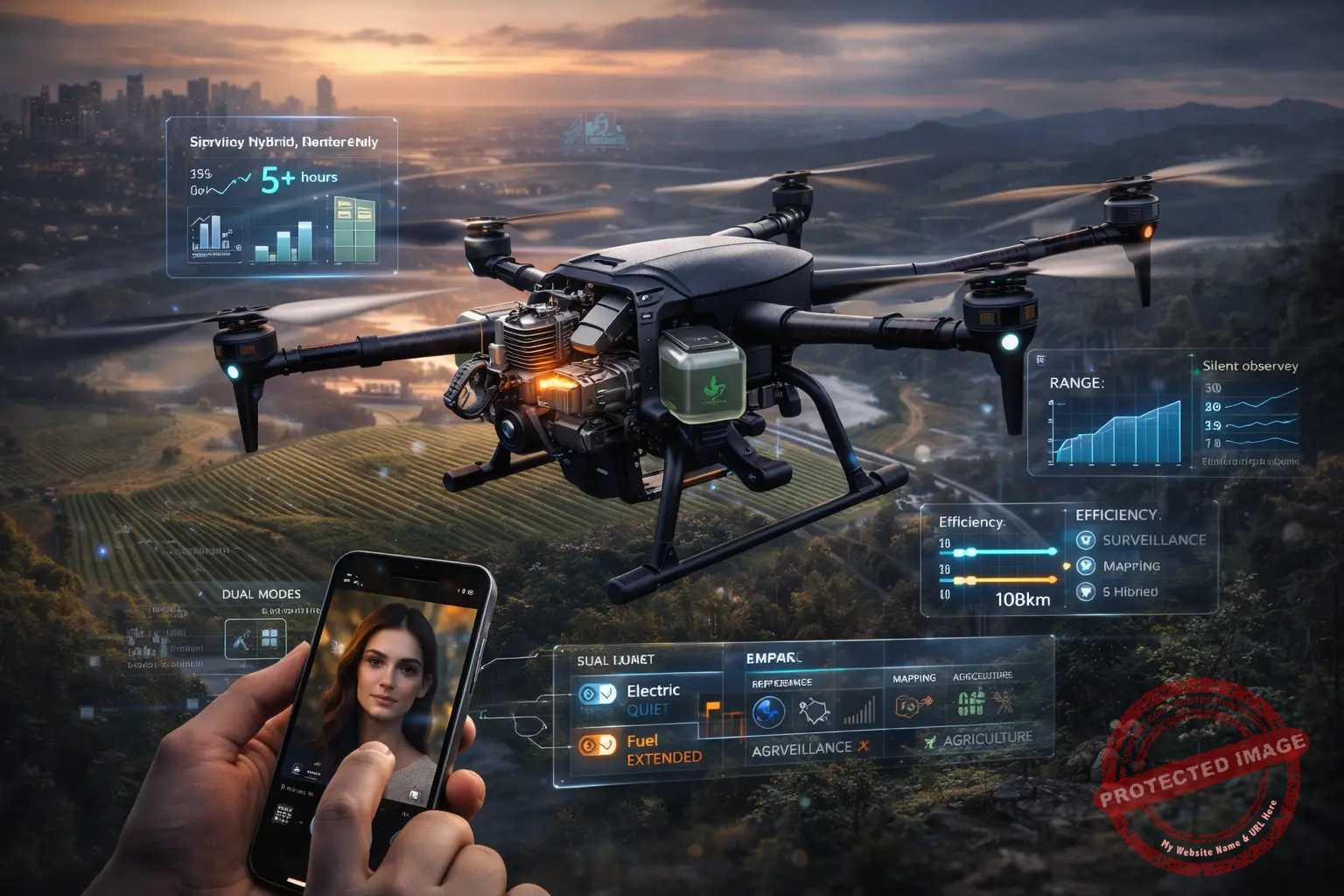
Key benefits of hybrid energy systems
Hybrid energy systems for drones present a host of key benefits that stem from the integration of multiple power sources, typically combining conventional fuel engines with electric batteries. One primary advantage is the substantial increase in flight time compared to traditional all-electric drones. While electric drones are limited by the energy density of their batteries, hybrid systems can utilize the high energy capacity of liquid fuels, significantly extending operational range. This makes them ideal for applications requiring long-duration flights, such as surveillance, mapping, or agricultural monitoring.
Another critical benefit is the enhanced flexibility and reliability provided by hybrid energy systems. By using dual power sources, drones can optimize for efficiency in a range of conditions. For instance, they can switch to electric power for silent operation, reducing noise during sensitive operations like wildlife monitoring or tactical maneuvers. This operational adaptability allows drones to perform in diverse environments with varying requirements for stealth, speed, and endurance.
Moreover, the use of hybrid systems contributes to improved energy management and reduced operational costs. These systems can maximize fuel efficiency, using electric power for segments of the flight that are less demanding and conservatively deploying fuel for high-energy activities such as takeoff and rapid ascent. This capability not only lowers fuel consumption but also decreases the frequency of maintenance cycles, as engines often operate under optimal conditions, reducing wear and prolonging equipment life.
Hybrid energy systems also benefit from redundancy, bolstering safety and reliability. In the event of a failure in one energy source, the drone can continue operating on the alternative source, providing a fail-safe mechanism that can be critical in emergency situations. This can be particularly advantageous for commercial and industrial applications where operational downtime translates directly into financial loss.
Finally, using hybrid systems in drones aligns with broader environmental objectives by reducing carbon emissions. By optimizing the use of fuel and incorporating electric power where feasible, hybrid drones offer a more sustainable approach to aviation technology, aligning with global trends towards greener energy solutions. This makes them not only economically attractive but also environmentally responsible, paving the way for more sustainable aerospace advancements.
Challenges in implementing hybrid energy
Implementing hybrid energy systems in drones faces several challenges that could impact market and enterprise adoption in the coming years. Economically, the initial investment required to develop and deploy hybrid energy systems remains a significant barrier. While these systems promise longer flight times and reduced operational costs, the upfront costs associated with research, development, and component production can be prohibitive for smaller enterprises or industries with tight margins. As the market evolves towards 2026, economies of scale may help drive down costs, but careful financial planning and strategic investment will be crucial for early adopters looking to gain a competitive edge.
Regulatory frameworks also pose a challenge in the widespread implementation of hybrid energy systems. Current aviation regulations primarily cater to conventional aircraft, and adapting these standards to accommodate the unique specifications of hybrid drones is critical. Regulatory bodies must establish guidelines that address the distinct safety, airworthiness, and environmental considerations presented by these advanced technologies. This need for regulatory alignment is particularly pressing for sectors like logistics and surveillance, where timely deployments could offer strategic advantages. As AI and automation become more integral to hybrid drone operations, ensuring compliance with evolving regulations will be essential for successful integration.
The competitive landscape presents another hurdle as companies race to develop proprietary hybrid technologies that offer superior performance and cost-effectiveness. Innovation in AI and automation is influencing this area by enabling more efficient energy management and predictive maintenance capabilities. This drive for differentiation underscores the importance of developing breakthrough hybrid energy solutions that not only meet technical requirements but also deliver added value in sustainability and performance. Companies that can effectively harness data analytics and AI to optimize hybrid energy systems will likely secure a significant competitive advantage by 2026.
Sustainability plays a critical role in shaping market demand for hybrid drones, as enterprises increasingly prioritize environmentally responsible solutions. Adoption factors are heavily influenced by the potential to reduce carbon emissions and align with global efforts towards carbon neutrality. Businesses and government agencies are likely to focus on hybrid energy systems that demonstrate tangible environmental benefits, potentially driving updated corporate policies and procurement strategies favoring such technologies. Sustainability initiatives will most likely be bolstered by AI-driven efficiencies that optimize energy consumption, further enhancing the appeal of hybrid energy drones as they transition from experimental to standard use.
In summary, although the path to widespread adoption of hybrid energy systems in drones is riddled with challenges, proactive measures in addressing economic, regulatory, and competitive dimensions, coupled with a focus on sustainability, are setting the stage for transformative breakthroughs by 2026. This evolving landscape demands continual innovation and adaptation as players in the drone industry navigate the complexities of integrating hybrid energy solutions.
Case studies of breakthrough applications
In examining how hybrid energy systems have been successfully applied in breakthrough drone projects, several key case studies highlight their potential across various sectors. One groundbreaking application involves the use of hybrid drones in agricultural monitoring. A notable project in California leveraged hybrid energy to facilitate extended aerial surveillance of vast agricultural fields. Drones equipped with hybrid systems were deployed to monitor crop health, assess irrigation needs, and identify pest infestations over extended periods without needing frequent recharges. This led to increased efficiency in farm management, providing farmers with more timely and accurate data to optimize crop yields, reduce resource consumption, and enhance sustainability.
Another significant case study is in the field of emergency response and disaster management. In Japan, hybrid drones were pivotal during recent natural disasters, where prolonged reconnaissance missions were critical. The drones, capable of long-duration flights thanks to their hybrid power systems, conducted continuous aerial inspections over disaster-stricken areas. These missions provided real-time data to emergency response teams, facilitating rapid assessment of damage and enabling efficient resource allocation for recovery efforts. The ability to maintain operational continuity in challenging conditions underscored the importance of hybrid systems in enhancing the resilience and responsiveness of emergency services.
The logistics sector has also seen transformative impacts from hybrid drone technology. A notable application involved distribution companies experimenting with hybrid drones for last-mile delivery in urban environments. The project’s focus was on reducing delivery times and minimizing traffic congestion’s environmental impact. Hybrid drones were employed to transport goods more efficiently, bypassing urban traffic challenges. The extended flight range and payload capacity provided by hybrid energy systems maximized delivery efficiency, reducing emissions and cutting transportation costs.
Beyond these practical applications, the ethical implications of deploying hybrid drones have sparked conversations around privacy and data security. The extended operational capability of these drones raises concerns about the potential for increased surveillance and data collection. Consequently, ethical guidelines and frameworks are being developed to ensure that this technology is used responsibly and that societal trust is maintained in technology integration. Balancing technological advancement with ethical considerations remains a priority as hybrid drones become more prevalent in civilian and commercial applications.
These case studies demonstrate not only the versatility and efficiency of hybrid energy drones but also the need for thoughtful integration into existing workflows. As businesses and consumers continue to embrace these technologies, they become integral to modern operations, emphasizing the ongoing evolution of the roles and responsibilities of both producers and users within this dynamic landscape.
Future trends and potential developments
As the field of hybrid energy systems for drones evolves, emerging trends and potential developments point to significant technological breakthroughs. One notable trend is the ongoing enhancement of fuel cells and battery technologies. Researchers are focusing on improving the energy density and charge cycles of batteries while developing fuel cells that are more efficient and cost-effective. These advancements aim to increase the overall endurance and range of hybrid drones, making them even more viable for extended missions across numerous industries.
Another exciting development is the integration of artificial intelligence (AI) and machine learning algorithms into hybrid energy drones. These technologies can optimize energy management in real-time by analyzing flight patterns and environmental conditions. Advanced AI systems can dynamically adjust power sources, switching between electric batteries and fuel to enhance performance and efficiency. This intelligent energy use is expected to extend flight times further and reduce operational costs, fostering wider adoption in commercial and industrial sectors.
The move towards autonomous operations represents another future trend in hybrid drone technology. With advancements in sensors and navigation systems, drones are increasingly capable of performing complex tasks with minimal human intervention. The combination of hybrid energy systems with autonomous technology promises to revolutionize areas such as logistics, agriculture, and environmental monitoring by enabling drones to operate continuously and reliably over vast areas without frequent recharging or fueling.
Looking to the skies for collaborative operations, hybrid energy drones are expected to work in swarms, communicating and cooperating on tasks. This development could lead to breakthroughs in efficiency and productivity, particularly in large-scale applications like disaster relief and expansive environmental surveys. Swarm technology will require robust communication networks and precise coordination, pushing the boundaries of current drone technology and opening new possibilities for large-scale deployments.
Future trends and potential developments
Sustainability remains a driving force in the development of hybrid energy systems. Future models are likely to incorporate more sustainable materials and processes, aligning with global sustainability goals. Efforts to minimize the environmental footprint of drone manufacturing and operation will cater to increasing consumer and regulatory demands for greener technology solutions. These advancements in sustainable hybrid drones will contribute to reduced carbon emissions and position the drone industry as a leader in sustainable innovation.
Overall, the future of hybrid energy in drones is poised for remarkable growth, driven by technological advancements that promise greater efficiency, autonomy, and sustainability. These developments will significantly impact industries by providing versatile solutions that meet growing operational and environmental needs. As the market continues to evolve, hybrid energy drones are set to play a crucial role in shaping the future of unmanned aerial vehicles.
Contributing Editors
Benoit Leduc, Co-Editor, Montreal, Quebec.
Peter Jonathan Wilcheck, Co-Editor, Miami, Florida.
#HybridEnergy, #HybridDrones, #DroneTechnology, #LongEnduranceDrones, #SustainableAviation, #GreenEnergyTech, #EnergyInnovation, #AutonomousDrones, #AIinDrones, #FuelCellTechnology, #ElectricDrones, #CommercialDrones, #IndustrialDrones, #DroneLogistics, #AgriculturalDrones, #SurveillanceDrones, #CleanTech, #FutureOfDrones, #AerospaceInnovation, #CarbonReduction
Post Disclaimer
The information provided in our posts or blogs are for educational and informative purposes only. We do not guarantee the accuracy, completeness or suitability of the information. We do not provide financial or investment advice. Readers should always seek professional advice before making any financial or investment decisions based on the information provided in our content. We will not be held responsible for any losses, damages or consequences that may arise from relying on the information provided in our content.

 AAPL
AAPL AMD
AMD CIS.HA
 DELL
DELL IBM
IBM INTC
INTC MSFT
MSFT GOOG
GOOG HPE
HPE NVDA
NVDA TSLA
TSLA TMC
TMC MSI
MSI NOK
NOK OPEAZZX