


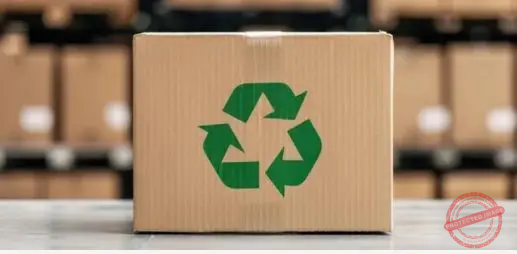
Why the next wave of fulfillment centers is being engineered for lower emissions, less waste, and circular flows.
The Environmental Cost Of “Buy Now”
Every time a shopper taps “place order,” a supply-chain engine spins up. Containers move from ports, trucks deliver to regional hubs, conveyors and robots run in fulfillment centers, packaging is consumed, and last-mile vehicles fan out through neighborhoods. The environmental footprint of this activity is now impossible to ignore.
Analysts describe sustainable warehousing as more than a feel-good initiative; it is a strategy that cuts energy costs, reduces risks, and aligns with rising expectations from regulators and consumers. Inbound Logistics+2pio.com For fulfillment center operators, “green” increasingly means “good business.”
Building Fulfillment Centers For Efficiency From Day One
The easiest emissions to avoid are those designed out at the start. New fulfillment centers are being sited near renewable-energy capacity, rail interchanges, or multimodal hubs to reduce transportation and energy intensity. Architects are designing building shells with high-performance insulation, natural daylighting, and advanced glazing that dramatically lower heating, cooling, and lighting loads.
Industry case studies show how solar photovoltaic installations on warehouse roofs can offset a significant portion of electricity consumption over the facility’s life, while green-warehousing research quantifies the emissions reductions such systems can deliver. ScienceDirect Inside, LED lighting, variable-speed drives on conveyors, and energy-efficient HVAC systems further trim the energy budget.
Third-party logistics providers highlight that sustainable warehouse design is becoming a standard expectation rather than a niche differentiator, particularly for large brand customers with science-based climate targets. pio.com
Greener Operations: From Slotting To Shipping
Sustainability does not end with the building envelope. Day-to-day operations offer constant opportunities to cut waste. Better inventory accuracy and demand forecasting reduce over-ordering and obsolescence, especially in categories like fashion and fast-moving consumer goods where trends shift quickly.
Within the four walls, efficient layout and slotting reduce travel distances for people and robots, cutting energy use. Automation and AI help minimize mis-picks and damage, which in turn reduces rework and reverse logistics. Körber
Beyond the warehouse, green logistics strategies focus on consolidating loads, avoiding half-empty trucks, and coordinating inbound and outbound flows. Recent guidance on sustainable warehousing and transport underscores how load consolidation, modal shifts, and optimized routing can lower emissions and costs simultaneously. Accem Warehouse+2Inbound Logistics
Packaging, Waste, And The Circular Loop
Packaging is a visible, emotional component of sustainability for consumers. Fulfillment centers are pivoting toward right-sizing cartons, paper-based dunnage, and reusable totes for internal moves. Software that selects the smallest adequate package can significantly reduce cardboard and filler use across millions of orders.
At the same time, waste-stream management is becoming more sophisticated. Facilities implement closed-loop systems for cardboard and plastics, partner with recyclers for damaged goods, and explore recommerce programs where returned items are refurbished and resold rather than discarded. Inbound Logistics
Reverse logistics plays a central role here. By designing returns processes that quickly triage, refurbish, and reintroduce items into stock—or divert them into secondary channels—fulfillment centers support circular economy goals while recapturing value.
Transparency, Metrics, And Regulation
As sustainability moves from aspiration to requirement, measurement becomes critical. Emerging frameworks for sustainable warehousing encourage operators to track energy use, emissions, water consumption, and waste by facility, product category, and even order.
Software vendors are building sustainability dashboards into warehouse-management and transportation-management suites, enabling operations leaders to see the emissions impact of decisions such as carrier selection or routing choices. Ramco
Regulators in multiple regions are tightening disclosure rules for large companies, forcing more rigorous reporting of Scope 3 supply-chain emissions. That pressure flows downstream to fulfillment and logistics partners, who must provide more granular emissions data to brand customers.
Closing Thoughts And Looking Forward
Sustainability is moving from a “nice to have” to a structural design constraint for fulfillment networks. The fulfillment center of the near future will be judged not only on cost and speed, but also on its energy profile, waste footprint, and support for circular flows.
Operators that invest early in green buildings, efficient operations, and transparent reporting will be better positioned as regulations tighten and consumers scrutinize environmental claims. Ultimately, the most competitive fulfillment networks will be those that can reduce their environmental impact while simultaneously improving efficiency and resilience.
References
Sustainable Warehousing: Definition, Best Practices, and Benefits – Inbound Logistics – https://www.inboundlogistics.com/articles/sustainable-warehousing/
Green Warehousing: Sustainable Practices in Logistics and Storage – PIO – https://pio.com/content/green-warehousing-sustainable-practices-in-logistics-and-storage
Green Warehousing: Sustainability Trends in WMS – Ramco Systems – https://www.ramco.com/blog/logistics/green-warehousing-sustainability-trends-in-wms
Green Logistics Strategies for Warehousing and Transport – Accem – https://www.accem.com/green-logistics-sustainable-practices-in-warehousing-and-transportation/
Green Warehousing Practices: Assessing the Impact of PV Systems – Journal of Cleaner Production / ScienceDirect – https://www.sciencedirect.com/science/article/pii/S2213138824004508
Author: Claire Gauthier – eCommerce Technologies, Montreal, Quebec
Co-Editor: Peter Jonathan Wilcheck – Miami, Florida
#GreenWarehousing #SustainableFulfillment #EcoLogistics #CarbonNeutralWarehouse #SupplyChainSustainability #CircularEconomy #ReverseLogistics #EnergyEfficientBuildings #EcommercePackaging #NetZeroLogistics
Post Disclaimer
The information provided in our posts or blogs are for educational and informative purposes only. We do not guarantee the accuracy, completeness or suitability of the information. We do not provide financial or investment advice. Readers should always seek professional advice before making any financial or investment decisions based on the information provided in our content. We will not be held responsible for any losses, damages or consequences that may arise from relying on the information provided in our content.
 AAPL
AAPL MSFT
MSFT GOOG
GOOG TSLA
TSLA AMD
AMD IBM
IBM TMC
TMC IE
IE INTC
INTC MSI
MSI NOK
NOK DELL
DELL ECDH26.CME