


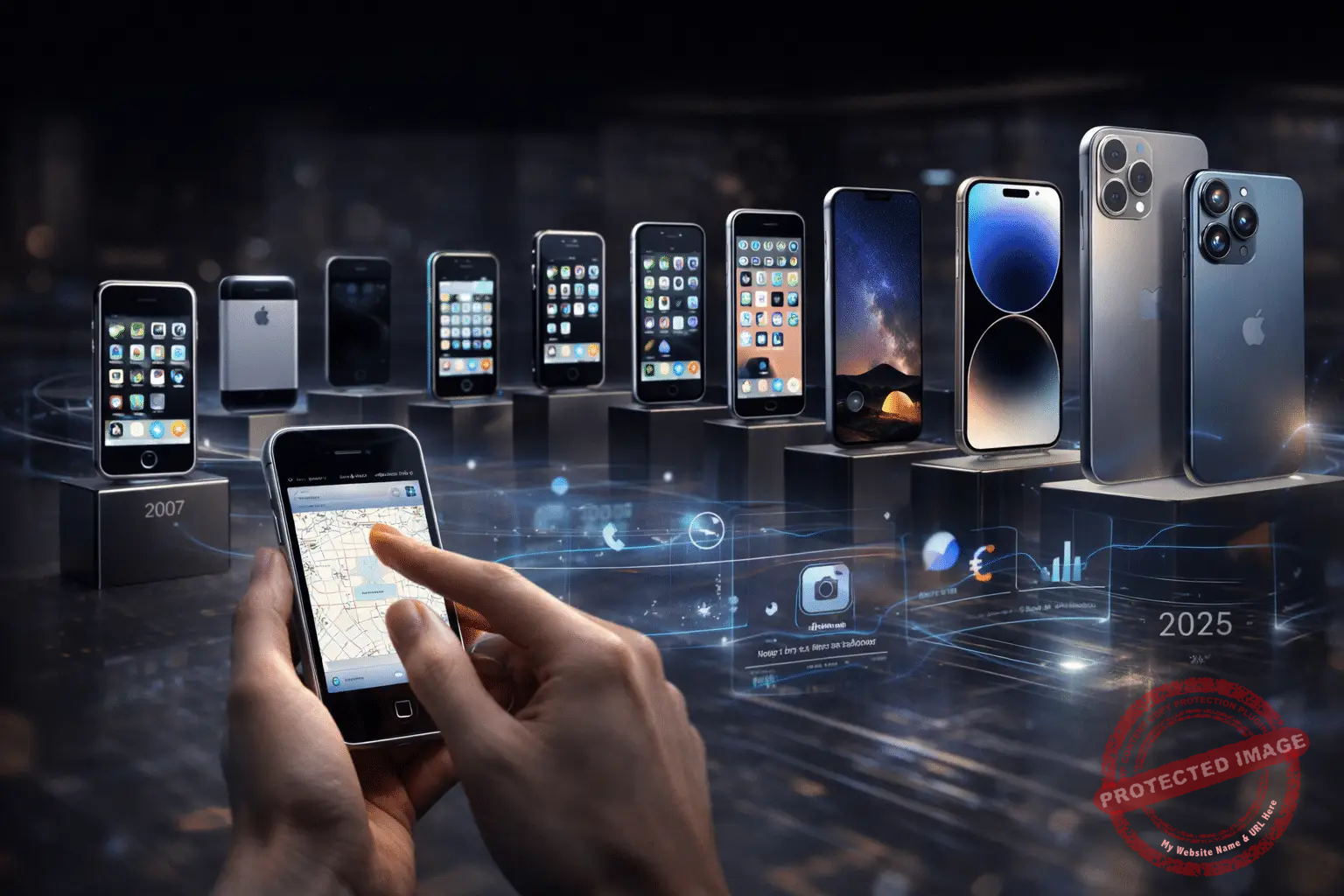
Explore the journey of Apple phones from their inception to the current technological marvels.
Early Innovations:
Apple’s journey in the realm of mobile technology began with the unveiling of the first iPhone in 2007, a revolutionary device that laid the foundation for modern smartphones. The original iPhone introduced a new era where a single device could seamlessly function as a phone, an internet communicator, and a music player. Its multi-touch interface was a breakthrough, enabling users to interact with their phones in intuitive ways. This innovation drove Apple to redefine what a mobile phone could be, setting the stage for competitors to follow suit. The initial launch was met with both skepticism and excitement, ultimately changing the landscape of mobile technology forever. The first iPhone also pioneered the use of iOS, which would go on to become one of the world’s foremost mobile operating systems, powering not just phones but a range of Apple devices. These early strides highlighted Apple’s commitment to integrating hardware and software, creating a user-friendly experience that remains its signature to this day.
Design Transformations:
Apple’s evolution in design has been as dramatic as its technological advancements. From the rounded edges of the first iPhone to the sleek and minimalist form of the iPhone 15, Apple has consistently pushed the boundaries of what a smartphone should look and feel like. The shift from plastic to glass and aluminum bodies not only enhanced durability but also revolutionized the aesthetics, giving Apple phones a premium feel that became synonymous with the brand. In 2017, the introduction of the iPhone X marked a pivotal moment with the elimination of the home button, moving towards an edge-to-edge display. This transformation was not merely aesthetic but also functional, allowing for a larger screen size without expanding the phone’s physical dimensions. Apple’s commitment to sustainability is evident in its material choices, emphasizing recycled aluminum and more environmentally friendly manufacturing processes in recent models. The company’s design ethos has not only influenced the smartphone market but has also set a standard for product design across industries.
Technological Advancements:
Over the years, Apple has consistently led the charge in technological advancements with its iPhone lineup, setting benchmarks in mobile technology innovation. Beginning with the A-series chips, Apple’s custom-designed processors have revolutionized smartphone performance. With each successive release, these chips have dramatically increased processing power and efficiency, enabling advanced features like augmented reality and machine learning capabilities. The introduction of the Neural Engine in these chips further exemplified Apple’s focus on artificial intelligence, enhancing photo processing and voice recognition applications.
Camera Innovations:
Apple’s commitment to camera technology has been a standout feature, undergoing a remarkable transformation from a simple, single-lens setup to sophisticated multi-lens systems. Innovations such as Night Mode, Deep Fusion, and the transition to ProRAW photo and video formats have brought professional-grade photography to everyday users. Each iteration of the iPhone camera system continually pushes boundaries, integrating hardware advancements with software prowess to deliver stunning photography and videography experiences. This relentless pursuit places Apple at the forefront of mobile imaging technology, shaping trends across the industry.
Battery Life and Charging:
Battery performance and charging technology have seen consistent improvements over the years. Apple’s iterative advancements have optimized battery longevity through smarter power management solutions, such as adaptive charging and battery health monitoring via software updates. Additionally, the incorporation of fast charging and MagSafe technology not only improved convenience for users but also set a new standard in wireless charging capabilities, reflecting Apple’s focus on practical, user-centered design.
Connectivity Features:
The iPhone’s connectivity options have evolved to support the growing demands of modern technology, with advancements such as 5G integration, ultra-wideband technology, and enhanced Wi-Fi capabilities. These features ensure more reliable and faster connections, enabling smoother video streaming, gaming, and augmented reality experiences. Apple’s integration across devices within its ecosystem, including seamless usage with AirPods, the Apple Watch, and Mac devices, showcases the sophistication of its connectivity strategy.
Security and Privacy Enhancements:
Apple has always placed a strong emphasis on security and privacy, consistently introducing features designed to protect personal data. The development of Face ID technology revolutionized biometric authentication, providing secure and intuitive unlocking experiences. Additionally, Apple’s focus on privacy is reflected in features like App Privacy Report and enhanced data encryption methods, solidifying its reputation as a leader in smartphone security. This enduring commitment ensures that user data is protected, aligning with growing concerns about privacy in the digital age.
Market Impact:
The impact of Apple phones on the global market is profound and multifaceted, shaping both consumer expectations and industry standards. Since the launch of the first iPhone, Apple’s strategic approach to marketing and innovation has not only captured significant market share but also influenced the direction of mobile technology across the globe. The brand’s emphasis on sleek design, robust ecosystem integration, and cutting-edge technology has fostered a loyal customer base, often sparking intense anticipation and media buzz around each new release.
Brand Loyalty and Consumer Culture:
Apple has cultivated a unique consumer culture, nurturing brand loyalty that surpasses conventional brand-customer relationships. The iPhone’s status as a premium product has created a symbolic association with innovation and quality, making it a desirable status item in various cultures. This phenomenon is amplified by Apple’s strategic retail presence and high-profile launch events, which perpetuate its brand mystique and customer engagement.
Economic Influence and Stock Performance:
Apple’s influence extends beyond market share; it plays a significant role in economic trends and stock market performance. As a tech leader, Apple’s quarterly earnings and product announcements often serve as indicators for broader industry health. The economic footprint of Apple, with robust supply chain operations spanning numerous countries, underscores its role as a key player in the global economy. This economic influence is reflected in its impact on component suppliers and technological service providers.
Competitive Landscape and Industry Shifts:
Apple has consistently driven competition within the smartphone industry, prompting other manufacturers to match or surpass its innovations. This push has led to rapid technological advancements across the sector, enhancing consumer choice and technological capability. Despite intensifying competition, the iPhone maintains a pivotal position, often setting the standard for features such as app ecosystems and hardware-software integration.
Environmental and Regulatory Impact:
Apple’s market presence also brings a focus on environmental responsibility and compliance with regulatory practices. The company’s initiatives toward sustainability, such as reducing carbon footprints and utilizing recycled materials, have prompted industry-wide shifts towards more eco-friendly manufacturing processes. Regulatory scrutiny over data privacy and antitrust laws reflects Apple’s sheer market power and its influence on global tech legislation.
Future Prospects:
As Apple continues to redefine the boundaries of smartphone technology, the future of its iPhone lineup is poised to feature groundbreaking advancements that will shape the industry’s trajectory. Leveraging emerging technologies such as augmented reality (AR) and artificial intelligence (AI), future models are expected to integrate more immersive experiences directly through the device. Apple is reportedly working on AR glasses that could sync seamlessly with iPhones, offering users an enhanced mixed-reality environment that blends digital and physical worlds.
Innovative Display and Power Technologies:
The evolution of Apple’s display technology will likely continue, with the potential introduction of foldable or rollable displays that maximize portability without sacrificing screen real estate. Furthermore, significant enhancements in battery technology, such as solid-state batteries, could provide longer usage times and faster charging, addressing one of the most sought-after improvements in smartphone usability. These innovations would further solidify the iPhone’s status as a leader in mobile device technology.
Advanced AI and Machine Learning:
Apple’s commitment to advanced AI integration is expected to lead to even smarter and more personalized user experiences. The next generation of iPhones may see significant leaps in computational photography, real-time language translation, and context-aware voice assistants, powered by Apple’s continued development of their neural engines. These features will aim to provide users with intuitive interactions that streamline daily tasks and enhance overall functionality.
Security and Privacy Innovations:
With an ever-increasing focus on security and privacy, future iPhones are likely to include even more robust protections. Apple may introduce advanced biometric security measures, such as under-display Face ID or multi-factor authentication that augments existing security layers. This focus not only addresses consumer concerns but also aligns with Apple’s ethos of privacy as a fundamental human right.
Thoughts and looking forward:
Apple’s strategy to create an interconnected ecosystem is expected to expand further, with the iPhone continuing to serve as the hub of its digital universe. Enhanced integration with Apple devices like the Apple Watch, AirPods, and forthcoming AR devices can create a seamless user experience where data and media flow uninterrupted across multiple devices. Apple’s focus on health, fitness, and personal connectivity through these devices could revolutionize mobile technology’s impact on holistic well-being.
Contributing Editors:
Benoit Leduc, Co-Editor, Montreal, Quebec.
Peter Jonathan Wilcheck, Co-Editor, Miami, Florida.
#Apple, #iPhone, #AppleWatch, #MacBook, #iOS, #AppleStore, #AppleEvent, #AppleMusic, #AppleTV, #AppleCare, #AirPods, #iPhonePro, #AppleEcosystem, #AppleNews, #AppleTechnology
Post Disclaimer
The information provided in our posts or blogs are for educational and informative purposes only. We do not guarantee the accuracy, completeness or suitability of the information. We do not provide financial or investment advice. Readers should always seek professional advice before making any financial or investment decisions based on the information provided in our content. We will not be held responsible for any losses, damages or consequences that may arise from relying on the information provided in our content.

 AAPL
AAPL MSFT
MSFT GOOG
GOOG TSLA
TSLA AMD
AMD IBM
IBM TMC
TMC IE
IE INTC
INTC MSI
MSI NOK
NOK DELL
DELL ECDH26.CME