


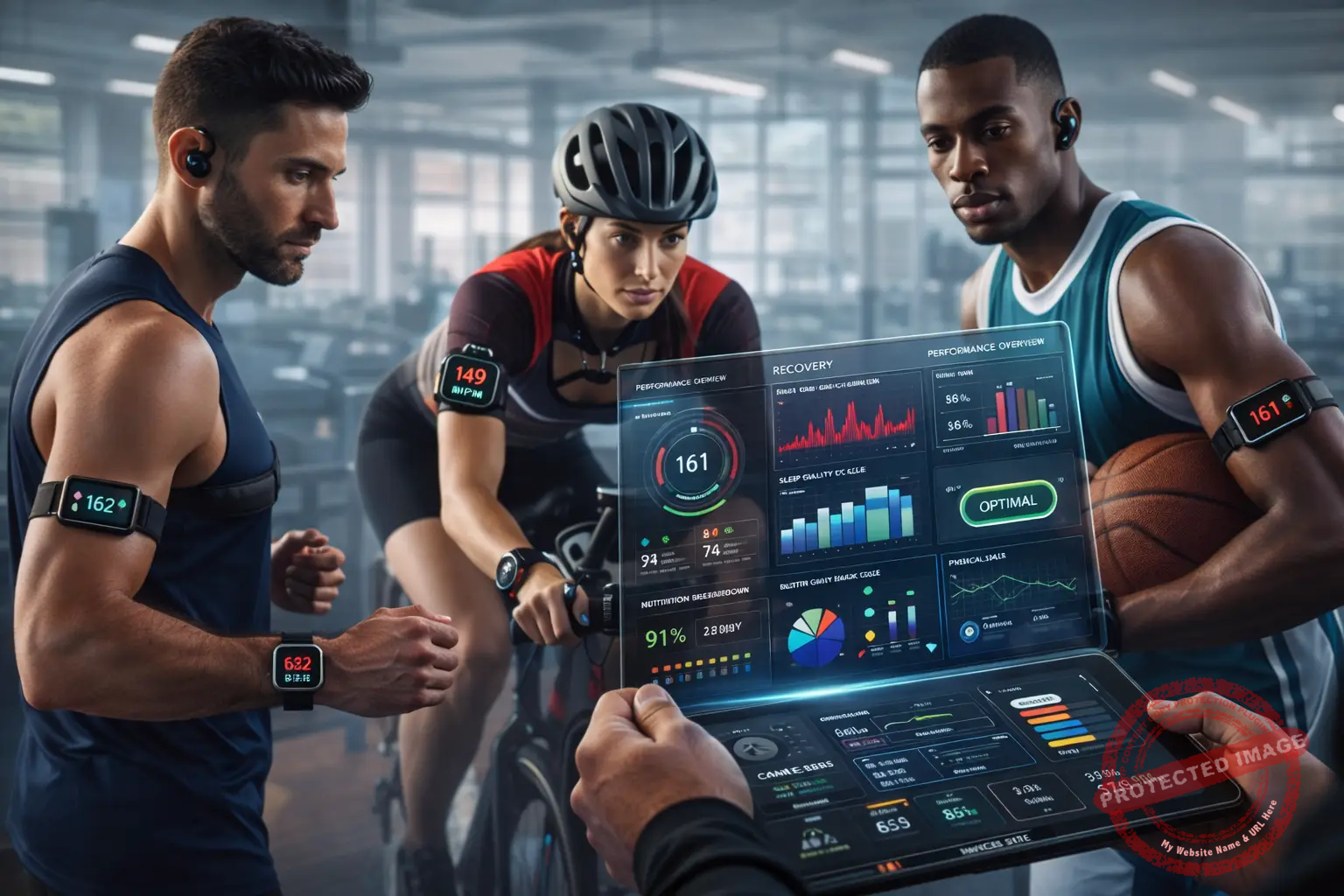
The field of wearable technology in sports has evolved dramatically over recent decades, becoming a critical component of athletic training, performance analysis, and recovery strategies. In 2026, wearable devices have become deeply integrated into the sports ecosystem, offering real-time insights and personalized data that were once the preserve of highly specialized scientific teams. From heart rate monitors and GPS trackers to smart clothing and performance analytics platforms, these technologies are now indispensable tools for professional and amateur athletes alike.
Wearables in sports are no longer limited to wrist-based devices. Advanced sensor technology is embedded in a wide array of equipment, including smart footwear that monitors gait and balance, smart helmets that provide impact analysis, and even clothing with bio-sensing capabilities that track muscle output and fatigue levels. These devices not only monitor physical performance but also collect invaluable biometric data, which can be transmitted to centralized platforms for further analysis.
This data-driven approach enables coaches and athletes to make informed decisions that translate into tangible improvements in performance and a reduction of injuries. Integration with artificial intelligence further enhances these capabilities by leveraging machine learning algorithms to generate predictive insights from the collected data. This evolution in wearable technology enables more personalized training regimens, allowing athletes to safely and effectively push the boundaries of their performance.
Moreover, the intersection of wearable technology and data analytics is fostering a more holistic approach to athlete management. Beyond just performance metrics, these devices track recovery patterns, sleep quality, and nutritional intake, providing a comprehensive view of an athlete’s physical state. As these technologies become more sophisticated and cost-effective, their adoption continues to rise across various levels of sport, from elite athletes to weekend warriors, thereby reshaping the landscape of sports performance in profound ways. This shift also heralds broader implications for the sports industry at large, influencing everything from equipment design to coaching methodologies and athlete welfare protocols.
Key benefits of wearable devices for athletes
Wearable devices offer numerous benefits to athletes, revolutionizing the way they train, compete, and recover. One of the primary advantages is the availability of real-time performance data. Wearables such as heart rate monitors, GPS trackers, and smartwatches provide instantaneous feedback on vital metrics like speed, distance, cadence, and cardiovascular output. This immediate information allows athletes to adjust their performance on the fly, optimizing their effort and improving outcomes during both training and competition.
Another significant benefit is the enhanced ability to track and analyze long-term performance trends. By recording data over time, athletes and coaches can identify patterns and make informed decisions about training loads, rest periods, and competition strategies. This longitudinal analysis supports a more strategic approach to athletic development, tailoring training programs to individual needs and promoting sustained improvement.
Wearable technology also plays a crucial role in enhancing recovery strategies. Many devices monitor sleep quality, stress levels, and hydration status, offering insights into recovery status. Athletes can receive actionable advice on improving rest and recuperation, ultimately leading to better performance and reduced injury risk. For example, maintaining optimal hydration and sleep are critical factors for muscle recovery, and wearables provide the data required to monitor these aspects closely.
Moreover, the personalized nature of the insights gained from wearable devices empowers athletes to take control of their health and fitness journeys. By understanding their specific responses to various training stimuli, athletes can customize their routines to align with personal goals and physiological responses. This personalized approach not only fosters greater confidence but also improves compliance with training regimens, as athletes can see direct correlations between the data and their performance improvements.
The integration of wearables into team sports has enhanced communication and collaboration among athletes and coaching staff. By sharing data in a centralized platform, team members gain a comprehensive understanding of each player’s condition and performance, facilitating more effective team strategies and fostering a culture of accountability and transparency. As a result, wearable technology is not only elevating individual athletic achievement but also contributing to improved team dynamics and outcomes on the field.
How wearable tech enhances training and recovery
Wearable technology has profoundly enhanced the way athletes approach training and recovery, leveraging data-driven approaches to optimize every aspect of their performance. In training, wearables provide precise and real-time data that allows athletes to focus on key metrics critical for their improvement. For instance, smart shoewear equipped with sensors can analyze an athlete’s running dynamics, enabling more efficient biomechanics and personalized training adjustments. Real-time heart rate and motion tracking ensure athletes are training within optimal zones, preventing over-exertion while maximizing gains.
Recovery, a critical component in an athlete’s regimen, has also benefited immensely from wearable technology. Devices now offer detailed insights into physiological markers like sleep quality and stress levels, translating into more informed recovery strategies. Sleep tracking devices specifically assess patterns in sleep stages and provide feedback that athletes and coaches use to adjust training volume and intensity. Equally, wearables that measure heart rate variability help determine the athlete’s recovery state, guiding whether they should engage in high-intensity workouts or focus on restorative exercises.
Incorporating wearables into recovery protocols, athletes receive personalized recommendations that optimize rest periods, nutrition, and rehabilitation exercises following intense sessions. This personalized approach mitigates the risk of overtraining injuries and accelerates muscle recovery, promoting long-term physical health and resilience. Furthermore, hydration trackers integrated into wearables play a role in maintaining fluid balance, crucial for recovery and performance. By monitoring sweat and electrolyte levels, athletes can avoid dehydration and related muscle fatigue.
Wearable technology also facilitates remote coaching, allowing trainers to monitor and adjust an athlete’s program irrespective of location. This integration means that coaching can be dynamic and responsive, adapting to the athlete’s current condition and performance data. The use of wearable tech has therefore not only enriched the training experience but also streamlined recovery protocols to be more precise and science-backed, enhancing athlete welfare and longevity in their sporting careers.
Impact on injury prevention and management
Wearable technology has made significant strides in preventing and managing sports-related injuries. By continuously monitoring an athlete’s biometrics, these devices can detect early signs of strain or stress before they escalate into full-blown injuries. Smart sensors embedded in clothing or equipment provide real-time data on muscle activity, joint load, and impact forces. This allows athletes and coaches to make informed decisions about modifying training loads or techniques, thereby reducing the risk of injury.
For instance, wearables can track fatigue levels by measuring indicators such as heart rate variability, muscle oscillation, and movement patterns. By identifying when an athlete is pushing beyond their physical limits, coaches can adjust training regimens to incorporate more rest or lighter workouts, thus preventing overuse injuries. Wearable technology also enhances the understanding of an athlete’s biomechanics, offering insights into posture and movement efficiency. This information is crucial in correcting techniques that might otherwise contribute to long-term musculoskeletal problems.
In injury management, wearables enable a more informed rehabilitation process. Athletes recovering from injuries can use these devices to carefully monitor their progress, ensuring that they heal properly without risking a relapse. Data from wearables guide physical therapy programs by providing objective feedback on the affected area’s load capacity and functional improvement. Moreover, wearables can motivate injured athletes by visualizing their recovery journey, promoting engagement and adherence to prescribed rehabilitation protocols.
The integration of wearable technology into sports also extends to real-time alerts that notify athletes of potential dangers. For example, smart helmets in contact sports can detect the force of impacts, providing immediate feedback on whether an athlete should be assessed for a concussion. Similarly, smart bands or patches that monitor vital signs can alert athletes when they are approaching dangerous levels of exertion, prompting preventive measures before injury.
By leveraging the continuous flow of data, wearable technology has transformed injury prevention and management into a proactive domain. Athletes, coaches, and medical professionals now have access to a wealth of information, allowing for timely interventions that prioritize safety and long-term health. This paradigm shift not only improves individual performance but also fosters a culture of efficiency and safety in competitive sports environments. As technology continues to evolve, the role of wearables in minimizing injury risk and enhancing recovery is poised for further growth, promising even greater advancements in athlete care and security.
Future trends in sports technology and performance
As sports technology continues to evolve, several future trends are poised to reshape the landscape of athletic performance and sports management. One significant trend is the integration of advancements in biometrics and genomics with wearable technology. By 2026, wearable devices are expected to incorporate genetic profiling, allowing athletes to tailor their training and nutrition programs based on their unique genetic makeup. This integration will provide unprecedented personalization, enhancing athletic output while minimizing injury risks associated with genetic predispositions.
Additionally, the convergence of artificial intelligence and wearable tech will lead to more sophisticated performance analysis. AI-powered platforms will not only interpret data from wearables but also predict performance outcomes and tailor training regimens in real time. This dynamic adaptation will ensure athletes optimize their efforts continuously, aligning training loads with peak performance windows and recovery needs. In team sports, AI integration will enhance strategic planning, offering insights into team dynamics and optimizing player rotations based on predictive analytics.
Advances in material science are also set to influence future wearable designs, leading to more comfortable and efficient devices. Flexible and lightweight sensors embedded in fabrics will render wearables virtually unnoticeable, encouraging full-day use without discomfort. These developments will expand the utility of wearables beyond discrete training sessions, encompassing everyday activities to provide a holistic view of athlete wellness.
Moreover, sustainability will become a central focus in the production of wearable tech. As awareness of environmental impact rises, companies will innovate to create eco-friendly devices using recyclable materials and energy-efficient technologies. This shift will not only reduce the carbon footprint of manufacturing processes but also align with the growing consumer demand for sustainable solutions.
Connectivity and interoperability will advance, with wearables seamlessly integrating into broader ecosystems of health and fitness technologies. This will facilitate comprehensive data sharing across platforms, enabling an integrated approach to sports performance management. The ability to synthesize data from wearables with other health indicators will offer deeper insights into athlete performance, further refining training and recovery strategies.
Looking Forward
As we look toward 2026–2027, the focus on enhancing the athlete experience through technology will drive innovation. The continued evolution of wearable tech, combined with strategies that embrace personalization, sustainability, and connectivity, promises to unlock new levels of athletic potential, ensuring athletes of all disciplines can safely and effectively reach their peak performance.
Contributing Editors:
Benoit Leduc, Co-Editor, Montreal, Quebec.
Peter Jonathan Wilcheck, Co-Editor, Miami, Florida.
References
Post Disclaimer
The information provided in our posts or blogs are for educational and informative purposes only. We do not guarantee the accuracy, completeness or suitability of the information. We do not provide financial or investment advice. Readers should always seek professional advice before making any financial or investment decisions based on the information provided in our content. We will not be held responsible for any losses, damages or consequences that may arise from relying on the information provided in our content.

 AAPL
AAPL MSFT
MSFT GOOG
GOOG TSLA
TSLA AMD
AMD IBM
IBM TMC
TMC IE
IE INTC
INTC MSI
MSI NOK
NOK DELL
DELL ECDH26.CME