


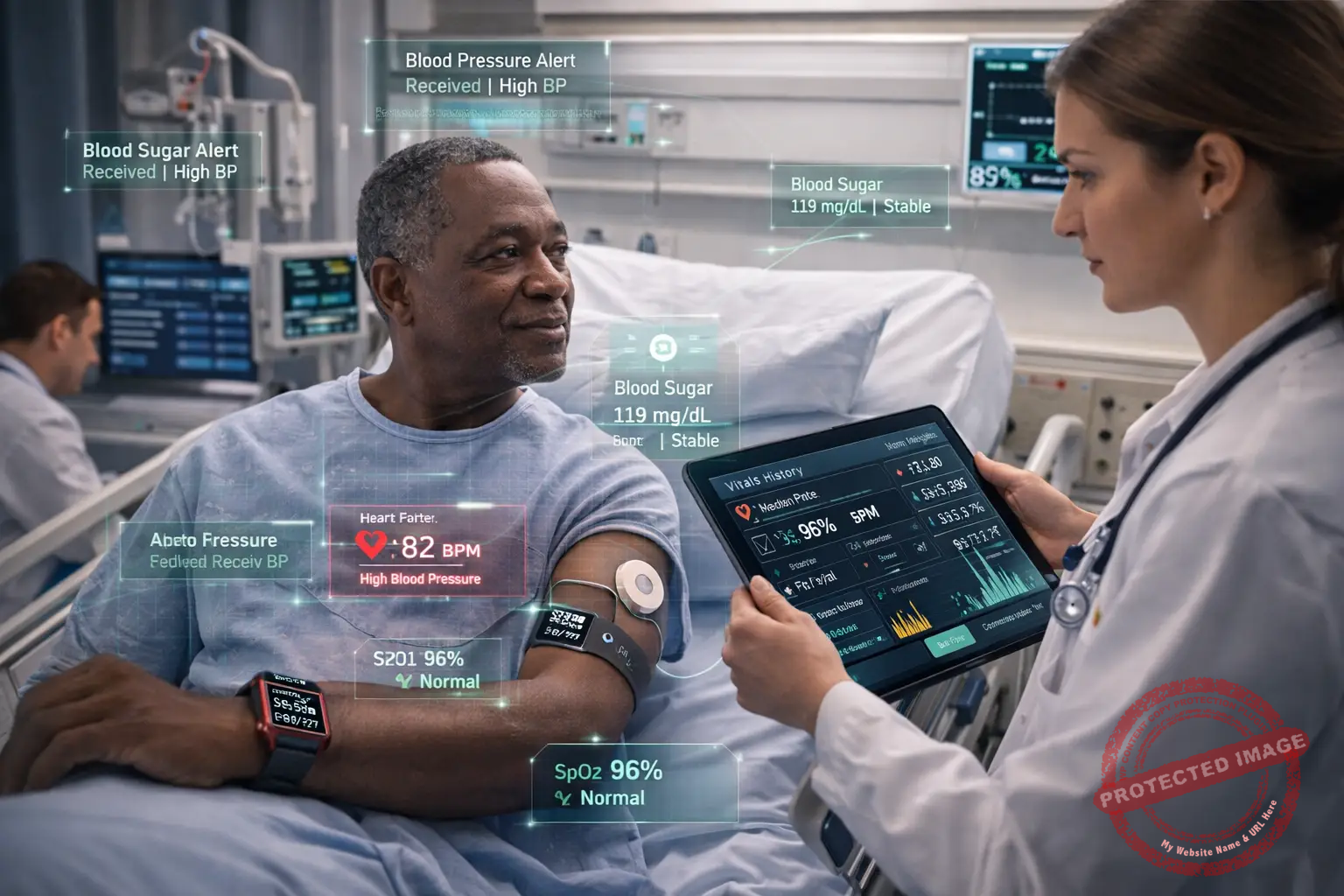
Wearable technology has made significant strides in enhancing patient monitoring, providing healthcare professionals with real-time data that can be crucial for diagnosing and managing various health conditions. With the integration of advanced sensors in devices such as smartwatches, fitness trackers, and even specialized medical wearables, continuous monitoring of vital signs like heart rate, blood pressure, and oxygen saturation has become possible. This constant stream of data allows for the early detection of potential health issues, enabling timely interventions that can prevent complications and improve outcomes.
In addition to basic vital sign tracking, wearables are equipped with features that cater to specific patient needs. For example, devices with ECG capabilities can help in monitoring heart conditions, alerting users and their healthcare providers to irregularities that may need further investigation. Similarly, wearables designed for patients with chronic illnesses such as diabetes can track glucose levels, providing insights that help in managing the disease more effectively.
One significant advantage of wearable technology in patient monitoring is its ability to facilitate remote healthcare, which has become especially crucial in recent times. Patients can share their health data with providers easily, reducing the need for frequent in-person visits, while still ensuring that they receive the care they need. This is particularly beneficial for individuals with mobility issues or those living in remote areas where access to healthcare facilities may be limited.
Another noteworthy aspect is the role of artificial intelligence and machine learning in improving the accuracy and efficiency of patient monitoring through wearables. By analyzing collected data over time, these technologies can identify patterns and trends that might otherwise go unnoticed by human observers, providing deeper insights into a patient’s health trajectory.
The advances in patient monitoring through wearable technology not only empower individuals to take charge of their health but also enhance the ability of healthcare systems to deliver more personalized and efficient care. As the technology continues to evolve, its potential impact on patient monitoring is expected to grow, promising further improvements in healthcare delivery and patient outcomes.
Personalized health management
Wearable technology is playing a pivotal role in personalized health management by enabling individuals to take proactive control of their own health. Through the use of sophisticated algorithms and data analytics, wearable devices can offer users insights tailored to their specific health profiles. These insights are drawn from a variety of data points collected from wearables, which include physical activity levels, sleep patterns, and eating habits. This data-driven approach facilitates a better understanding of personal health metrics, empowering users to make informed lifestyle choices and adjustments.
Wearables provide a foundation for informed and customized wellness plans. For instance, fitness trackers can recommend personalized workout schedules based on past performance and set individual fitness goals that increase progressively to ensure continuous improvement. For those focusing on weight management, nutrition tracking features in wearables can analyze dietary intake and provide personalized advice on necessary dietary adjustments to achieve specific health goals.
A significant benefit of personalized health management through wearables is the ability to provide feedback and motivation. These devices can deliver timely reminders and motivational prompts that help keep users engaged with their health routines. Moreover, some wearables offer social community platforms where users can connect with others who have similar health goals, fostering a supportive network that encourages consistent adherence to healthy practices.
The integration of mobile health applications with wearable technology enhances the comprehensive view of an individual’s health profile. These applications can assimilate data from various wearables and health records, offering a holistic view that allows more precise personalization of health management strategies. With the advent of smart algorithms, wearables can suggest lifestyle changes that are aligned with the user’s health history and preferences, ensuring a personalized approach that is both effective and realistic.
Developments in wearable technology have also facilitated enhanced communication between patients and healthcare providers, fostering a collaborative approach to health management. Patients can easily share their health data with their doctors, allowing for a more collaborative approach to managing their conditions. This continuous flow of information can assist healthcare providers in adjusting treatment plans and offering real-time advice, resulting in more dynamic and adaptive healthcare solutions.
By offering a more personalized approach to health, wearable technology not only improves individual health outcomes but also supports the broader healthcare ecosystem by alleviating the burden on traditional healthcare services. This shift towards personalized health management has the potential to transform how individuals engage with their well-being, creating a paradigm where prevention and maintenance are prioritized over treatment.
Enhancing preventive care
Wearable technology is revolutionizing preventive care by facilitating early detection of potential health issues before they develop into more serious conditions. By continuously tracking health metrics and vital signs, wearables can identify anomalies that might warrant further medical evaluation. For instance, a smartwatch that monitors heart rate and variability can detect irregular patterns indicative of cardiac arrhythmia, prompting timely intervention. Similarly, sleep-tracking wearables can identify patterns of sleep apnea or disturbances that may require further investigation and management.
Moreover, wearable devices support preventive care by encouraging regular physical activity and helping users adopt healthier lifestyles. Fitness trackers that monitor steps, calories burned, and activity levels motivate users to maintain a more active lifestyle, significantly contributing to the prevention of lifestyle-related diseases such as obesity, diabetes, and cardiovascular conditions. By providing personalized recommendations and achievable fitness goals, wearables promote sustained behavioral change that aids in the prevention of these chronic diseases.
The integration of wearables with mobile health applications further enhances preventive care by offering personalized insights and health tips tailored to the individual’s data. These applications can analyze historical health data, identify trends, and provide predictions or early warnings about potential health risks. For instance, they can notify users of sedentary behavior tendencies or suggest nutritional adjustments based on caloric intake patterns, thus acting as personal health coaches that help users stay ahead of potential health issues.
Another key benefit of wearables in preventive care is their ability to facilitate monitoring of environmental factors that may impact health. Some devices offer air quality monitoring features that alert users to pollution levels or allergens, allowing them to take precautionary measures to minimize exposure and prevent respiratory issues or exacerbation of allergy symptoms.
By fostering proactive health management, wearable technology not only aids individuals in preventing illnesses but also supports public health efforts by aggregating anonymous health data that can provide insights into population health trends. This data can aid researchers and policymakers in identifying emerging health issues and formulating informed public health strategies aimed at disease prevention and wellness promotion.
Challenges and ethical considerations
While wearable technology offers numerous benefits in healthcare, it also poses several challenges and ethical considerations that need to be addressed for its effective integration and usage. One of the primary concerns is data privacy and security. As these devices collect and transmit sensitive personal health information, there is a heightened risk of data breaches and unauthorized access to patients’ medical records. Ensuring robust encryption methods, secure data transmission protocols, and compliance with healthcare regulations such as HIPAA are essential to protect users’ privacy.
Another significant challenge is ensuring data accuracy and reliability. The efficacy of wearable devices heavily relies on their ability to provide precise and consistent health metrics. Inaccurate readings could lead to inappropriate treatments or unnecessary anxiety for patients. Manufacturers must rigorously test devices to maintain high standards of precision and develop mechanisms for regular calibration and updates to ensure ongoing accuracy.
Furthermore, the integration of wearables within existing healthcare systems presents logistical and technical challenges. Healthcare providers need to manage and interpret vast amounts of data generated by wearables. This requires upgrading infrastructure and training healthcare professionals to incorporate wearable data into clinical decision-making effectively. Additionally, establishing interoperability standards is crucial to ensure seamless integration of data across different platforms and devices.
Wearable technology also raises ethical considerations regarding the balance between monitoring for health optimization and potential over-surveillance. Continuous health monitoring can sometimes blur the line between providing useful health insights and intruding into personal privacy. It is essential to maintain transparency about what data is collected, how it is used, and to gain explicit patient consent. Clear policies must be established to dictate the boundaries of data monitoring and sharing.
Equitable access is another ethical issue to consider since wearable devices often come with a high cost, potentially excluding low-income individuals from benefiting from the technology. Ensuring that these advancements are accessible to diverse demographics is crucial to avoid exacerbating existing health disparities. Efforts should be made to subsidize costs, enhance device affordability, and incorporate wearables into public health insurance coverage.
Addressing these challenges and ethical considerations is vital to harness the full potential of wearable technology in healthcare. By prioritizing security, accuracy, integration, privacy, and accessibility, stakeholders can develop frameworks that support the ethical and effective use of wearables, ultimately leading to better health outcomes and a more inclusive healthcare landscape.
The future of wearable healthcare technology
The horizon for wearable healthcare technology is teeming with promise, driven by ongoing innovations and advancements that portend a transformative impact on healthcare delivery and patient engagement. As technology progresses, wearables are anticipated to evolve beyond simple health tracking, ushering in an era of sophisticated health management systems that integrate seamlessly with artificial intelligence and machine learning. These capabilities will empower wearables to offer predictive health analytics, enabling the identification of potential health issues even before they manifest clinically.
One key area of focus for future developments is the miniaturization and enhancement of sensor technologies, which will allow wearables to monitor a broader array of health parameters with greater precision. These enhanced capabilities could facilitate more comprehensive monitoring, extending beyond vital signs to include more complex biochemical and physiological metrics, thereby offering a deeper insight into an individual’s health status.
Moreover, the expanding integration of wearables with the Internet of Things (IoT) promises to revolutionize patient care by fostering a more connected and responsive healthcare ecosystem. Wearables could communicate with other smart devices and healthcare systems to provide real-time updates and personalized health insights, enhancing both home-based care and clinical interventions. This connectivity allows for a dynamic interaction between patients and healthcare providers, ensuring timely adjustments to health management plans based on up-to-date information.
Looking ahead, we can expect to see the development of more specialized wearables tailored for specific medical conditions, enabling targeted disease management solutions. This specialization could extend to accommodating the unique needs of different populations, such as pediatric, geriatric, and chronic care patients, thus enhancing the scope of personalized medicine.
Ethical and privacy concerns will remain a cornerstone in the development and deployment of these technologies. Ensuring data security and protecting patient confidentiality will be imperative as wearables gain enhanced capabilities. Future frameworks must address these issues head-on, establishing robust and transparent data governance practices that build trust among users and stakeholders.
In summary, the future of wearable healthcare technology signals a paradigm shift in how health services are delivered and experienced. By continually innovating and addressing existing challenges, the potential for wearables to enhance healthcare quality, efficiency, and accessibility is vast, heralding a new era where technology and health intersect seamlessly to foster improved health outcomes worldwide.
Contributing Editors:
Benoit Leduc, Co-Editor, Montreal, Quebec.
Peter Jonathan Wilcheck, Co-Editor, Miami, Florida.
#WearableHealthTech, #DigitalHealthWearables, #RemotePatientMonitoring, #SmartHealthDevices, #HealthWearableInnovation, #BioSensorTechnology, #HealthcareAI, #FitnessAndHealthTech, #MedicalWearables, #ChronicCareWearables
Post Disclaimer
The information provided in our posts or blogs are for educational and informative purposes only. We do not guarantee the accuracy, completeness or suitability of the information. We do not provide financial or investment advice. Readers should always seek professional advice before making any financial or investment decisions based on the information provided in our content. We will not be held responsible for any losses, damages or consequences that may arise from relying on the information provided in our content.

 AAPL
AAPL MSFT
MSFT GOOG
GOOG TSLA
TSLA AMD
AMD IBM
IBM TMC
TMC IE
IE INTC
INTC MSI
MSI NOK
NOK DELL
DELL ECDH26.CME