


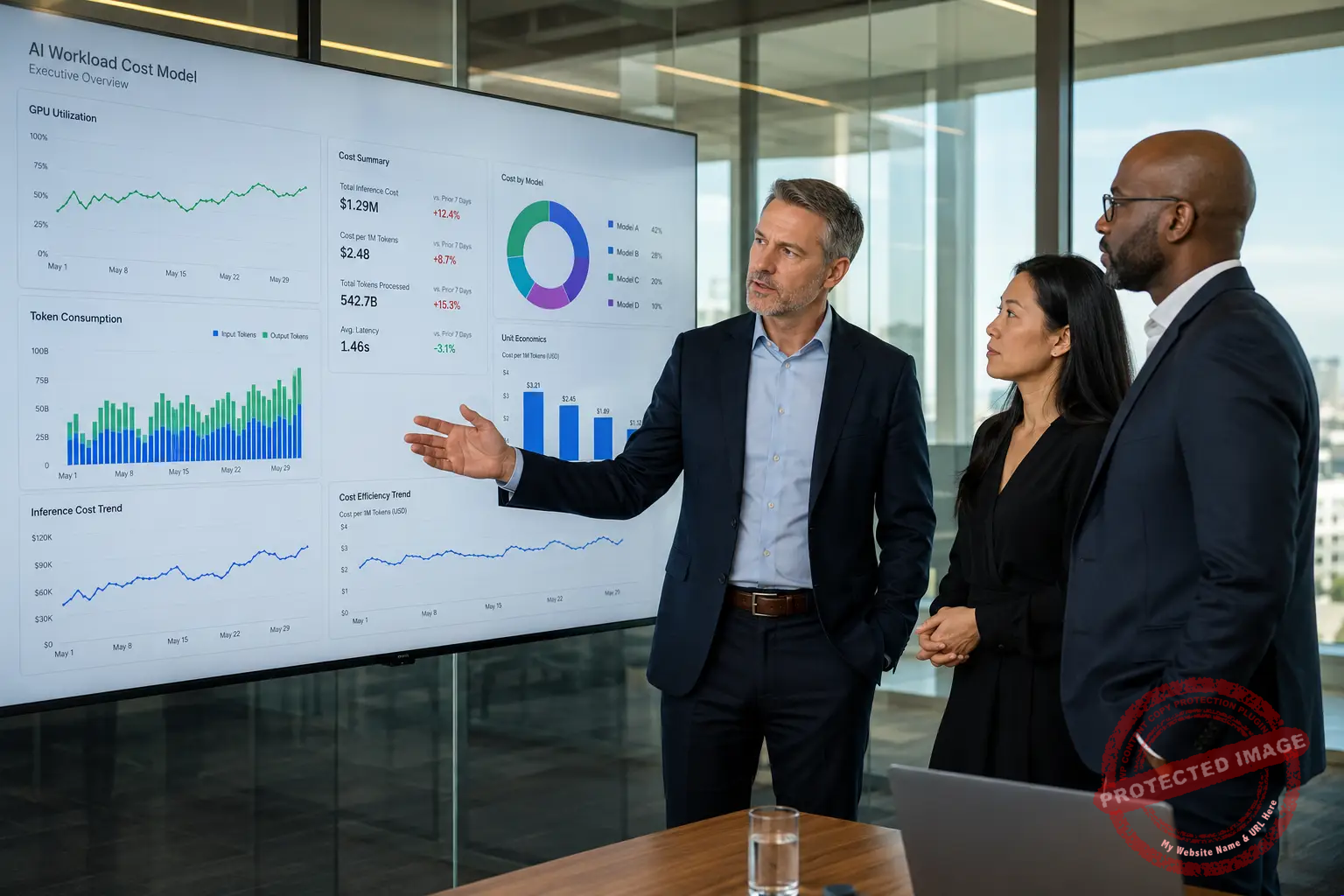
Cloud cost management used to be treated like a monthly cleanup exercise. Finance received a bill, engineering explained the spike, someone found idle instances, and the company promised to “do better next month.” That model no longer works. Cloud has become the operating substrate for software, data, analytics, security, Kubernetes platforms, and now AI workloads. The bill is not just bigger; it is faster, more variable, and more closely tied to product decisions.
The best organizations no longer ask, “How do we reduce cloud spend?” They ask, “Which cloud spend creates business value, which spend is waste, and who is accountable for the difference?” That shift is the heart of modern cloud cost management.
Cloud cost management is not only about cutting costs. Cost reduction matters, but blunt cuts can damage reliability, slow teams, or push engineers into worse tradeoffs. Mature FinOps programs distinguish between waste elimination, unit economics improvement, forecasting discipline, architectural efficiency, and governance. A company can reduce its bill and still manage cloud badly. A company can increase its bill and manage cloud well, if revenue, customer growth, product performance, or AI capability increases faster than spend.
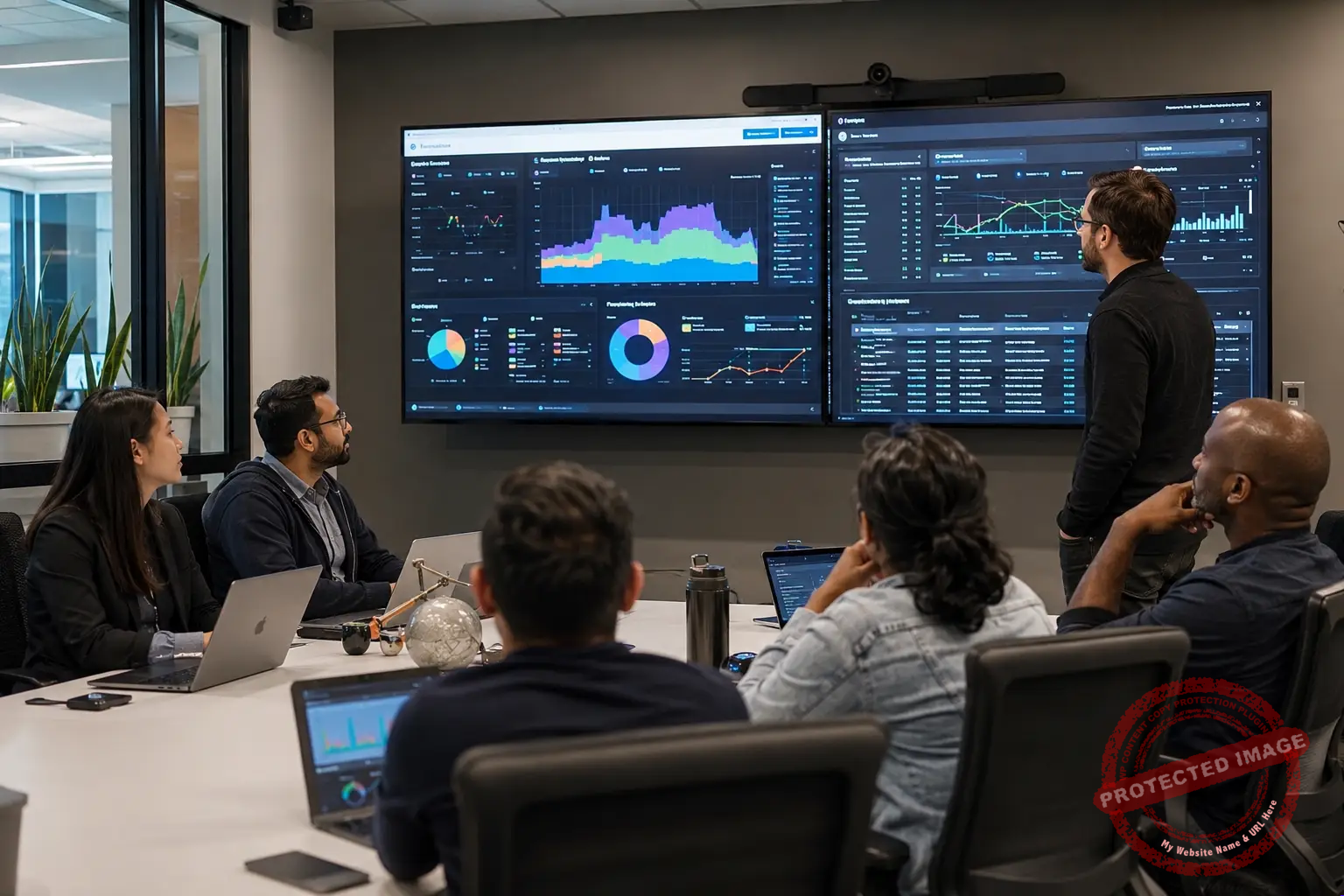
Visibility Is the First Control
You cannot govern what you cannot see. The first stage of cloud cost management is reliable visibility across accounts, subscriptions, projects, services, tags, labels, teams, environments, and products. This sounds basic, but it is where many programs fail.
AWS, Azure, and Google Cloud all provide native cost tools, budgets, exports, and recommendations. AWS Cost Explorer and Cost and Usage Reports, Azure Cost Management, and Google Cloud Billing exports can provide strong foundations. The challenge is not whether cost data exists. The challenge is whether it is clean enough to support decisions.
A monthly bill grouped by service is not enough. Engineering teams need to see cost by workload, namespace, application, feature, customer segment, or business unit. Finance needs accrual-friendly reporting and forecasting. Executives need business-level metrics, not thousands of SKU lines. Platform teams need enough detail to identify idle resources, oversized compute, unused storage, inefficient databases, and expensive data movement.
This is why tagging and labeling standards matter. A tag policy should define required fields such as owner, environment, application, cost center, product, and business unit. But policy alone is weak unless it is enforced through infrastructure-as-code, CI/CD checks, cloud policies, and exception workflows. Untagged spend should be treated as operational debt, not a harmless reporting gap.
Cost Allocation Creates Accountability
Showback and chargeback are often discussed as finance processes, but they are really accountability systems. Showback reveals which teams consume cloud resources. Chargeback transfers cost responsibility to those teams. Either model can work, but both require trust in the allocation method.
Shared services are the hard part. Kubernetes clusters, observability platforms, data lakes, NAT gateways, support fees, security tooling, and shared databases rarely map cleanly to one team. If shared costs are dumped into a general bucket, teams learn that some costs are “free.” If shared costs are allocated unfairly, teams reject the numbers.
A practical approach is to separate direct, shared, and unallocated spend. Direct spend can be assigned through tags, accounts, subscriptions, projects, or namespaces. Shared spend should be allocated using a transparent rule, such as usage, headcount, revenue, request volume, or reserved capacity consumption. Unallocated spend should be reported openly and reduced over time.
Kubernetes makes this especially important. The cloud provider bill may show node, disk, load balancer, and network costs, but engineering leaders need pod, namespace, workload, and team-level views. Without that translation layer, platform teams pay for infrastructure while application teams make scaling and resource request decisions. That disconnect creates waste.
Optimization Is Continuous, Not Seasonal
The common mistake is to treat optimization as a quarterly campaign. A team runs a report, deletes forgotten volumes, rightsizes a few instances, buys commitments, and declares success. Then usage changes, developers ship new services, traffic patterns shift, AI experiments expand, and the same waste returns.
Optimization must become a continuous operating loop. Start with waste removal: idle instances, unattached storage, old snapshots, unused IP addresses, stale load balancers, oversized development environments, and zombie databases. These are usually the least controversial savings because they do not require architectural redesign.
Next comes rightsizing. Compute, databases, containers, and storage tiers should match real utilization patterns. Rightsizing is not simply “make everything smaller.” It requires understanding performance headroom, traffic peaks, reliability requirements, and workload behavior. A production database with low average CPU may still need memory or I/O capacity. A batch job may tolerate slower, cheaper compute. A latency-sensitive API may not.
Commitment management is another layer. AWS Savings Plans and Reserved Instances, Azure Reservations and Savings Plans, and Google Cloud committed use discounts can reduce effective rates, but they introduce forecasting and lock-in risk. The right question is not “How much can we commit?” It is “Which baseline usage is stable enough to commit without trapping us?” Commitments should follow measured usage patterns, not optimistic annual plans.
Spot or preemptible capacity can also help, especially for stateless, fault-tolerant, batch, CI/CD, rendering, analytics, and machine learning workloads. But interruption-tolerant architecture is required. Spot capacity is not a discount button; it is an engineering pattern.

AI Has Changed the Cost Conversation
As of 2026, AI cost management has become central to FinOps. The FinOps Foundation’s 2026 research reports that AI cost management is now a top skill area, with nearly all surveyed organizations managing some form of AI spend. This matters because AI workloads behave differently from traditional cloud workloads.
Traditional cloud optimization often starts with infrastructure: instances, databases, storage, network transfer, and managed services. AI adds GPU clusters, model APIs, vector databases, training pipelines, inference endpoints, prompt volume, token consumption, data preparation, and experiment sprawl. The spend can grow quickly because adoption often begins outside traditional platform controls.
AI costs also challenge normal allocation models. A product feature may call a third-party model API. A data science team may train models on shared GPU infrastructure. A support team may use an AI assistant embedded in a SaaS platform. A developer productivity tool may generate usage-based charges by seat, token, or action. If FinOps only watches cloud infrastructure accounts, it misses part of the technology value chain.
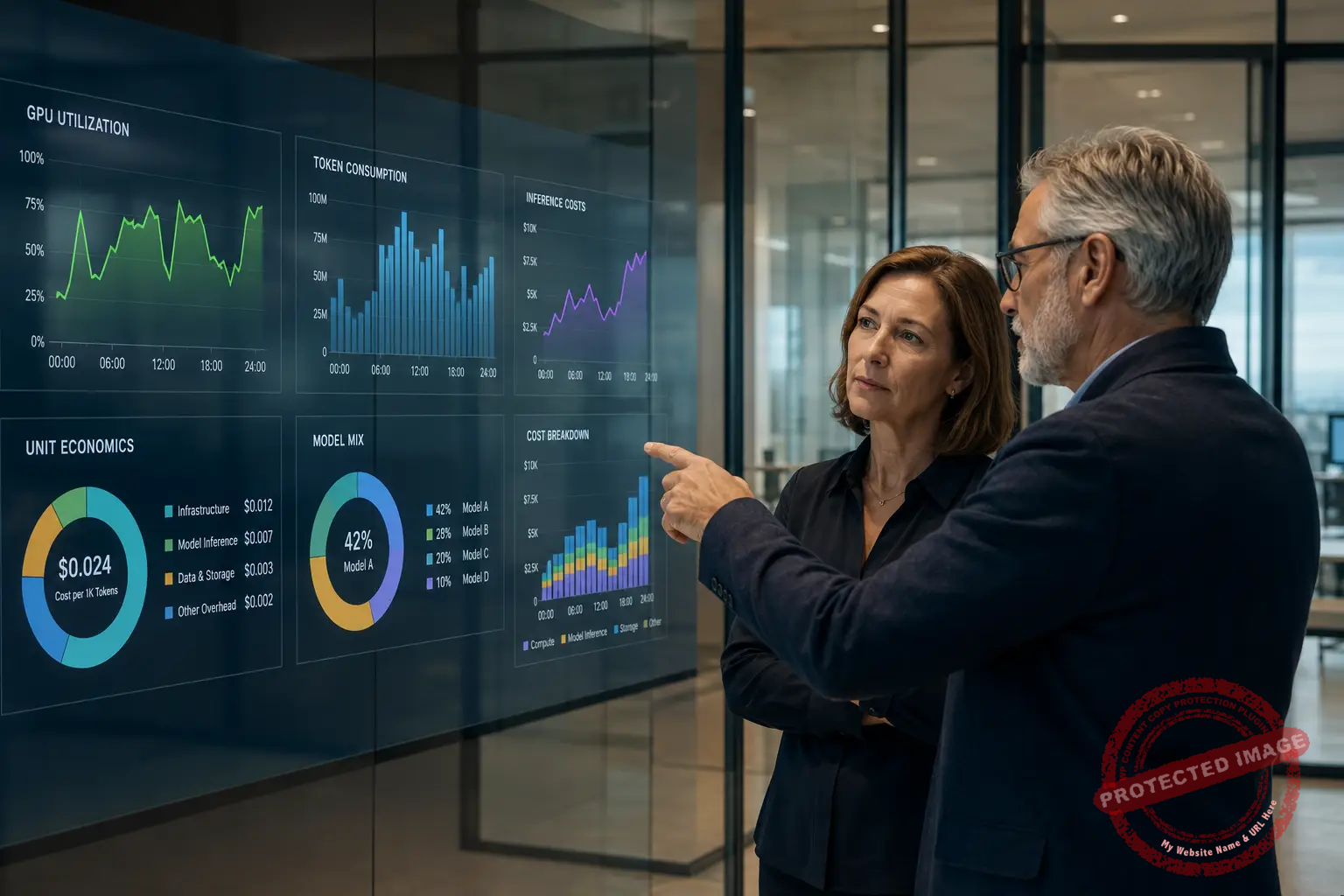
Good AI cost management starts with unit economics. Cost per inference, cost per customer interaction, cost per generated document, cost per model training run, or cost per resolved support ticket is more useful than total AI spend alone. Teams should compare model quality, latency, accuracy, and cost. A larger model may be justified for high-value decisions, while a smaller model may be good enough for summarization, classification, routing, or internal productivity workflows.
This is where cloud cost management becomes product management. The cheapest model is not always best. The most accurate model is not always worth the cost. The right decision depends on user value, risk, speed, and margin.
Forecasting Needs Engineering Context
Forecasting cloud spend is hard because usage changes daily. Finance often wants predictability. Engineering often wants flexibility. The job of FinOps is to create a useful bridge between the two.
A credible forecast should combine historical spend, known product launches, migration plans, seasonal demand, commitment coverage, pricing changes, AI experiments, and architecture roadmap decisions. Forecasts should be reviewed with engineering, not created in isolation by finance.
Variance analysis is just as important. When spend exceeds forecast, teams should distinguish healthy growth from waste. A bill increase caused by new customers is different from a bill increase caused by debug logging left on, excessive data egress, misconfigured autoscaling, or an inefficient query pattern. The same dollar increase can represent success or failure depending on the cause.
Budgets and alerts should be tuned to action. Too many alerts create noise. Too few alerts create surprise. Strong programs define thresholds by team, service, environment, and anomaly type. A production traffic increase may require investigation, but a sudden development environment spike after hours may require automatic shutdown or escalation.
Governance Should Help Engineers Move Faster
Bad governance says no. Good governance makes the right path easy.
Cloud cost guardrails should be embedded into normal engineering workflows. Infrastructure-as-code templates can include required tags, approved instance families, storage lifecycle defaults, autoscaling policies, and budget metadata. CI/CD checks can flag expensive configurations before deployment. Policy-as-code can prevent obviously risky actions while allowing documented exceptions.
This approach is often called FinOps as Code. It matters because cost decisions are architecture decisions. Waiting until the bill arrives means the decision has already been made. The earlier cost context appears in design, pull requests, provisioning, and deployment, the cheaper it is to change.
Governance also needs executive support. If teams are rewarded only for shipping features, cost discipline will feel like bureaucracy. If teams are measured on reliability, performance, customer value, and cost efficiency together, optimization becomes part of engineering quality. Mature organizations do not make every developer a finance expert, but they do give engineering teams enough cost context to make responsible tradeoffs.
Multi-Cloud Requires Normalized Data
Many companies use more than one cloud, whether by strategy, acquisition, regional requirements, data capabilities, or vendor relationships. Multi-cloud cost management is difficult because every provider has different billing formats, discount structures, terminology, and service categories.
AWS accounts, Azure subscriptions, and Google Cloud projects do not map perfectly to each other. Network costs, support costs, marketplace purchases, credits, taxes, and committed-use discounts can be represented differently. Without normalization, leadership receives inconsistent reports and teams argue about whose numbers are right.
This is why standards such as the FinOps Open Cost and Usage Specification, known as FOCUS, are important. The goal is to create a common structure for billing data across providers and technology categories. A standard schema does not solve governance by itself, but it reduces friction in reporting, allocation, analytics, and tooling.
For organizations with cloud, SaaS, AI, and data platform spend, normalized cost data is becoming a strategic requirement. The future of FinOps is not only cloud financial management. It is technology value management.
Practical Takeaways
The most effective cloud cost programs share a few habits.
They build visibility before enforcing accountability. They allocate costs in ways teams trust. They treat optimization as a recurring operating loop, not a one-time cleanup. They use commitments carefully, based on stable usage. They embed cost controls into engineering workflows. They measure unit economics, especially for AI and customer-facing platforms. They separate healthy growth from waste. And they make cost management a shared discipline across engineering, finance, product, and leadership.
Cloud cost management in 2026 is not about making cloud smaller. It is about making cloud spend more intentional. The companies that win will not be the ones that simply cut the most. They will be the ones that can explain, allocate, forecast, optimize, and defend every major dollar of technology spend in business terms.
Reference Sites:
- FinOps Foundation State of FinOps 2026 Report
- Flexera 2026 State of the Cloud Report
- AWS Well-Architected Framework: Cost Optimization Pillar
- Microsoft Learn: What is FinOps?
- FinOps FOCUS Specification
Researched and written by: Peter Jonathan Wilcheck
Post Disclaimer
The information provided in our posts or blogs are for educational and informative purposes only. We do not guarantee the accuracy, completeness or suitability of the information. We do not provide financial or investment advice. Readers should always seek professional advice before making any financial or investment decisions based on the information provided in our content. We will not be held responsible for any losses, damages or consequences that may arise from relying on the information provided in our content.
 AAPL
AAPL AMD
AMD CIS.HA
 DELL
DELL IBM
IBM INTC
INTC MSFT
MSFT GOOG
GOOG HPE
HPE NVDA
NVDA TSLA
TSLA TMC
TMC MSI
MSI NOK
NOK OPEAZZX