


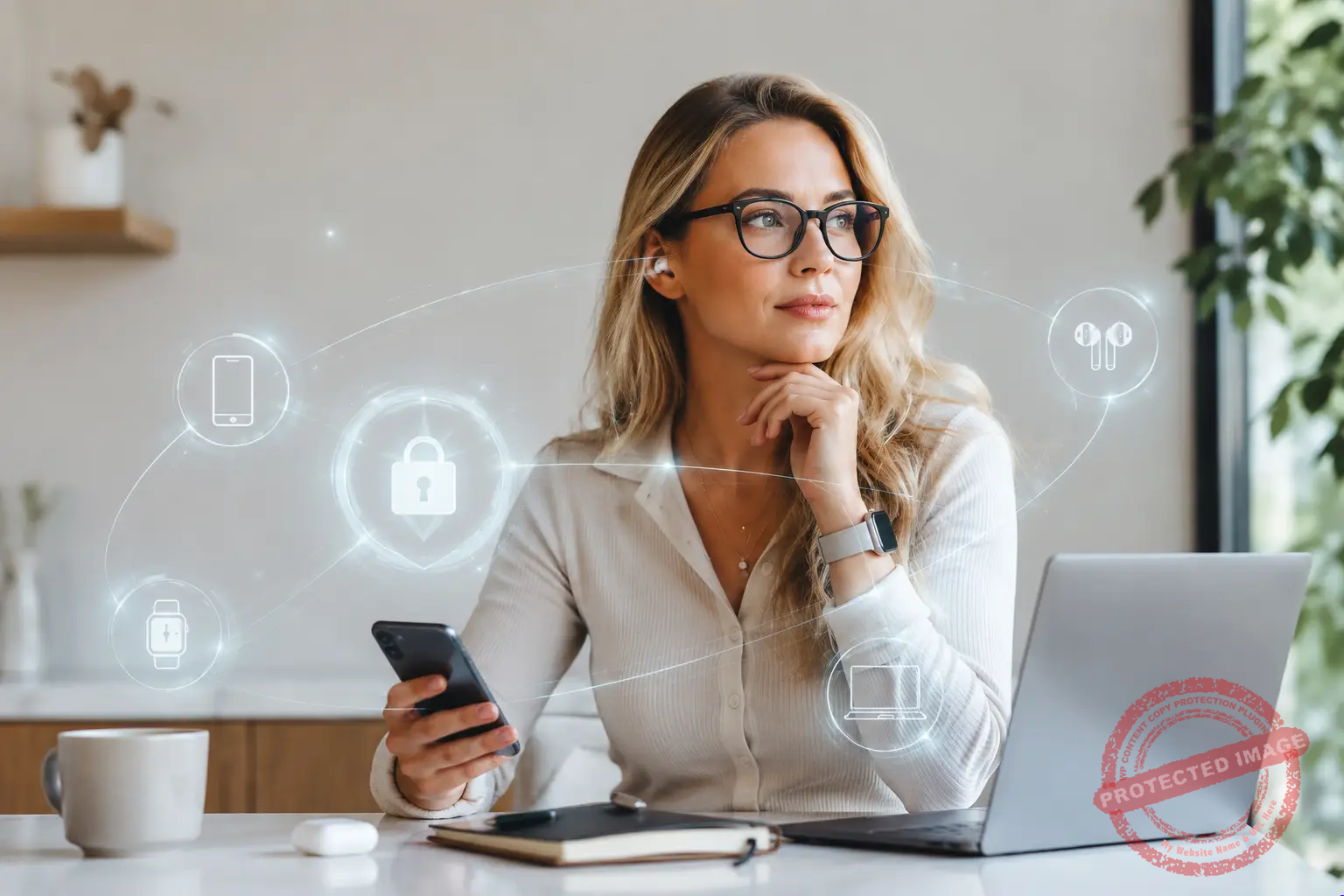
Edge AI is moving from simple on-device features, like wake-word detection or camera filters, toward something more personal: AI systems that learn from your context, adapt to your habits, and respond in real time without sending every interaction to the cloud.
That shift matters because personalization is only useful when it feels immediate, private, and reliable. A cloud-only assistant can be powerful, but it may introduce latency, connectivity dependence, bandwidth costs, and privacy concerns. Hyper-personalized Edge AI tries to solve that by running more intelligence directly on phones, laptops, wearables, vehicles, sensors, and local devices.

What Hyper-Personalized Edge AI Means
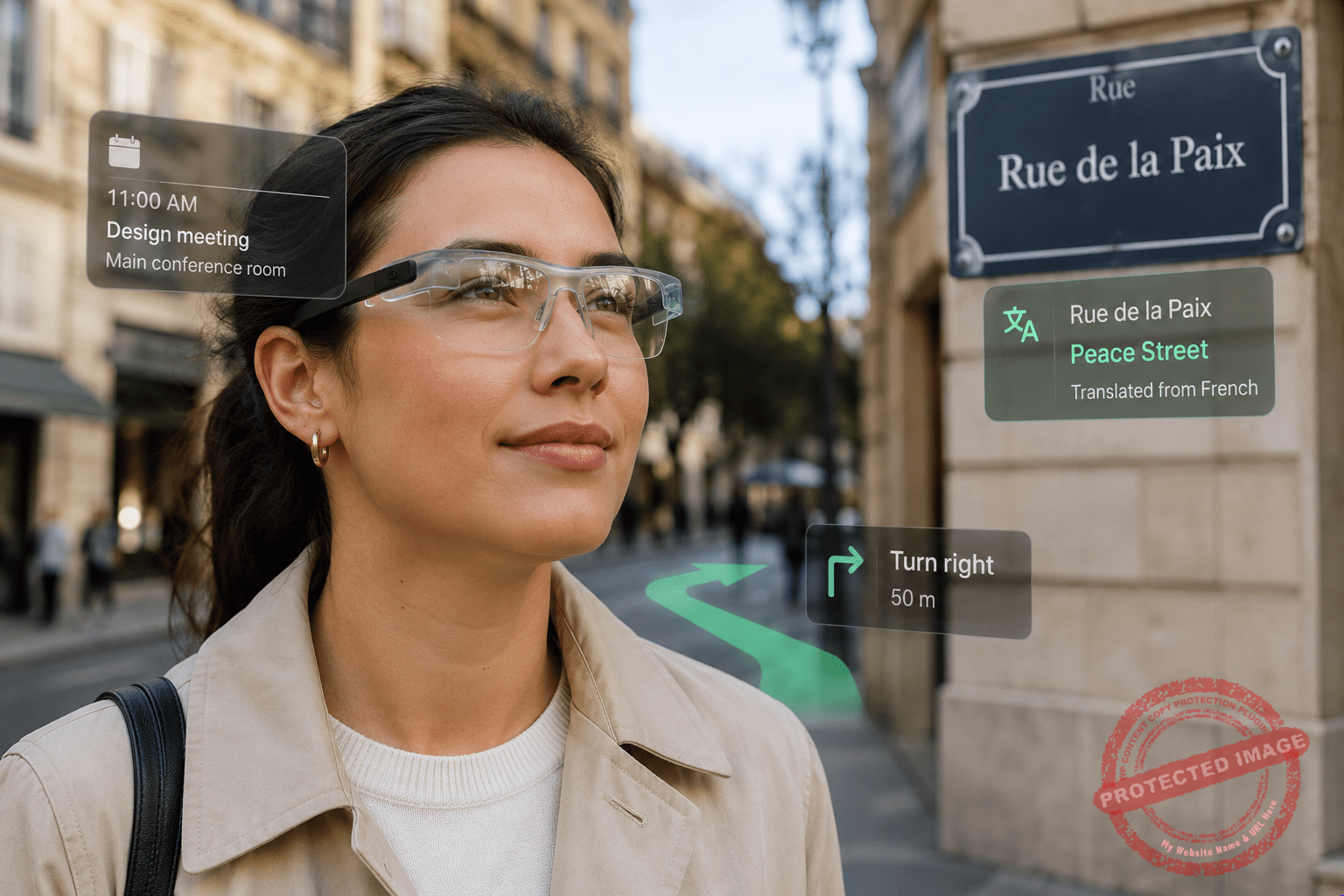
Hyper-personalized Edge AI is AI that adapts to an individual user or environment while processing data close to where it is created. That could mean a phone that rewrites notifications based on your schedule, a wearable that adapts coaching to your heart-rate patterns, or smart glasses that surface reminders based on what you are looking at.
This is different from ordinary edge inference. Edge inference means a model runs locally. Hyper-personalization adds memory, context, adaptation, and user-specific behavior. It may use on-device models, local embeddings, federated learning, small language models, or hybrid edge-cloud workflows.
Apple’s Foundation Models framework and Google’s Gemini Nano show how major platforms are making on-device generative AI more accessible to developers. Apple describes developer access to foundation models for Apple Intelligence, while Android’s Gemini Nano runs through AICore to support low-latency, on-device AI experiences.
Why the Edge Is Becoming the Personalization Layer
The edge is where personal context already exists. Your phone knows location, app behavior, calendar signals, voice preferences, accessibility settings, and device state. Your wearable sees motion, sleep, heart-rate trends, and activity patterns. Your car understands route habits, cabin conditions, and driver behavior.
Sending all of that raw context to the cloud is not always desirable or practical. Local processing can reduce latency, preserve sensitive data, and keep features working when connectivity is poor. Google’s LiteRT, Qualcomm AI Hub, and ONNX Runtime all reflect the same broad industry direction: optimize models so they can run efficiently on real devices rather than only in data centers.
The practical result is not “the cloud goes away.” It is a better division of labor. The device handles fast, personal, privacy-sensitive inference. The cloud handles heavier reasoning, long-term synchronization, large model updates, and tasks that exceed local compute.
The Main Building Blocks
Small language models are becoming important because they can handle summarization, classification, rewriting, intent detection, and lightweight conversation without needing a massive cloud model every time. They are not replacements for frontier-scale models, but they are often good enough for constrained, personal tasks.
Federated learning is another key ingredient. Instead of collecting raw user data centrally, devices can train or improve models locally and share model updates. MIT recently highlighted research aimed at making privacy-preserving training more efficient on everyday edge devices, which points to how personalization may improve without centralizing sensitive data.
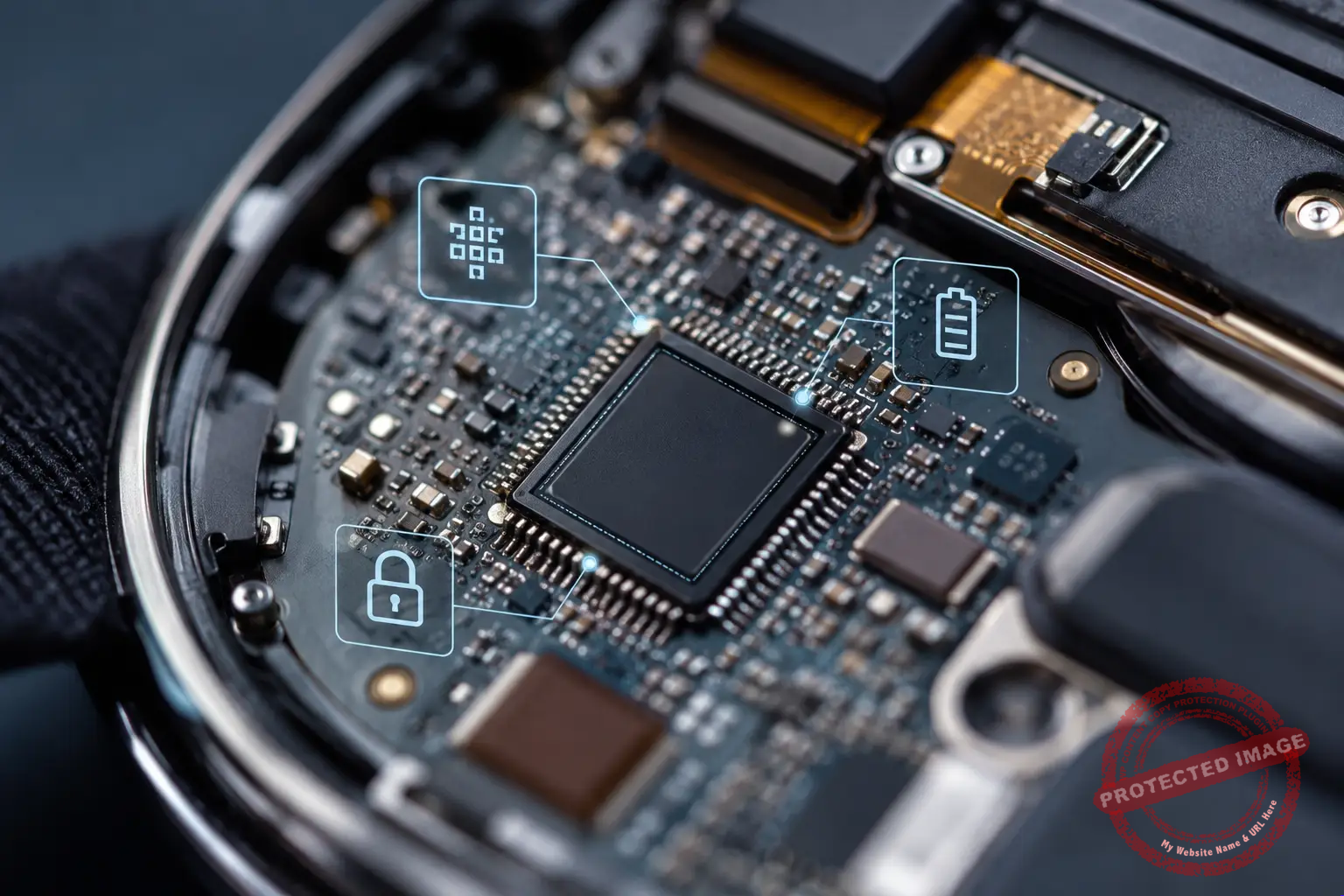
Model optimization also matters. Quantization, pruning, distillation, hardware acceleration, and runtime optimization can make the difference between a useful local feature and a battery-draining novelty. This is where NPUs, mobile GPUs, microcontrollers, and specialized runtimes become central to the story.
Where It Works Best
Hyper-personalized Edge AI is strongest when speed, privacy, and context matter at the same time.
In health and fitness, a wearable can adapt prompts based on local biometric trends without constantly uploading sensitive signals. In smart homes, devices can learn routines locally and respond even when internet service is down. In enterprise tools, local AI can summarize meetings, classify files, or assist workers while keeping sensitive documents on-device. In vehicles and robotics, local models can respond to physical conditions faster than a round trip to the cloud would allow.
Augmented reality may become one of the clearest examples. Smart glasses need real-time context: objects, people, places, gestures, gaze, and speech. Cloud-only inference can feel too slow or too invasive. Edge AI can make AR overlays more immediate and less dependent on streaming personal surroundings to remote servers.
The Tradeoffs Are Real
Edge AI is not magic. Local devices have limited memory, compute, thermal headroom, and battery capacity. A smaller model may be faster and more private, but it may also be less capable than a cloud model. Personalization can improve relevance, but it can also create new risks if users cannot understand or control what the system has learned.
There is also a governance challenge. A personalized AI assistant that only recommends music is low risk. A personalized system that influences health decisions, financial behavior, workplace actions, or safety-critical operations needs stronger testing, transparency, and user control. NIST’s AI Risk Management Framework is useful here because it encourages teams to think systematically about trustworthiness, risk, measurement, and governance.
The Next Step: User-Controlled Personal AI
The most interesting future is not just “AI on your device.” It is user-controlled personal AI: models and context stores that belong to the user, operate locally when possible, and explain their behavior clearly.
That future will likely be hybrid. Some intelligence will run on-device. Some will run in private local networks. Some will still use cloud models when the task requires more scale. The winning systems will make those boundaries understandable instead of invisible.
Conclusion
Hyper-personalized Edge AI is the move from generic assistants to context-aware systems that understand the person, device, and moment. Its value comes from balancing local speed, privacy, battery life, model quality, and user control.
The edge will not replace the cloud. But for the most personal forms of AI, the edge may become the place where trust begins.
Researched and written by: Peter Jonathan Wilcheck
Reference Sites
Apple Foundation Models: https://developer.apple.com/documentation/foundationmodels
Android Gemini Nano: https://developer.android.com/ai/gemini-nano
Google LiteRT: https://developers.google.com/edge/litert
Qualcomm AI Hub: https://aihub.qualcomm.com/
MIT federated learning research: https://news.mit.edu/2026/enabling-privacy-preserving-ai-training-everyday-devices-0429
Post Disclaimer
The information provided in our posts or blogs are for educational and informative purposes only. We do not guarantee the accuracy, completeness or suitability of the information. We do not provide financial or investment advice. Readers should always seek professional advice before making any financial or investment decisions based on the information provided in our content. We will not be held responsible for any losses, damages or consequences that may arise from relying on the information provided in our content.
 AAPL
AAPL AMD
AMD CIS.HA
 DELL
DELL IBM
IBM INTC
INTC MSFT
MSFT GOOG
GOOG HPE
HPE NVDA
NVDA TSLA
TSLA TMC
TMC MSI
MSI NOK
NOK OPEAZZX